
'Bloodline' tax credits dry up, third season in jeopardy
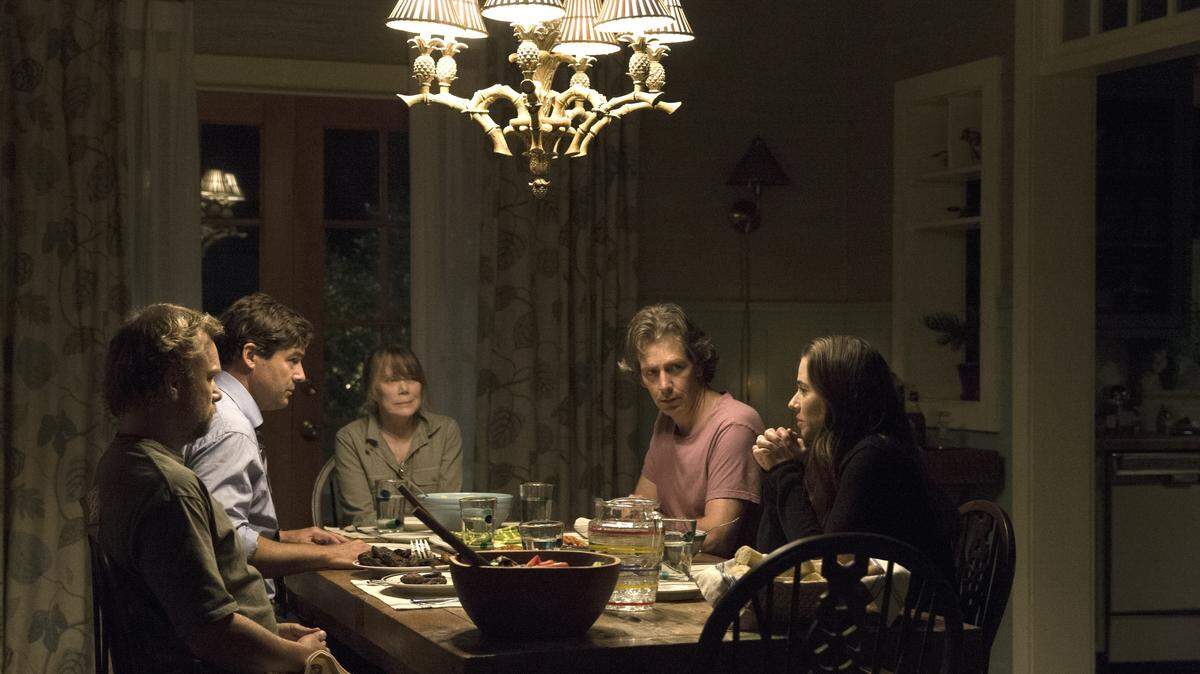
"Bloodline," the Netflix series based in the Florida Keys, unveils its second season May 27, the video service announced this week.
The 10-episode drama, largely filmed in Islamorada and other Upper Keys locations, "begins with the Rayburn family struggling to conceal their unthinkable crime," a Netflix statement says. While the second "Bloodline" season is coming, new Florida tax credits to entice film and television production are not.
A $300 million state program created in 2010 allowed for tax credits to productions that shot on location in Florida. The program expires in July but the pool of tax credits already has been exhausted.
"Bloodline" producers received tax credits for the Keys series' first two seasons but there is no more incentive money for available to lure a potential third season.
A renewal of the film and television program was included in an overall economic development bill proposed in the 2016 Florida Legislature but legislative leaders stripped all incentives from Florida's new $82 billion budget.
"This was devastating news," John Lux, an Orlando media professional and executive board member for entertainment production group Film Florida, said Tuesday.
"There's no doubt that future seasons of 'Bloodline' are in jeopardy," Lux said, "along with [HBO's] 'Ballers' and every other production considering Florida."
"The Legislature's ultimate decision to officially abandon our film, television and digital media professionals has our entire industry and supporters outraged," Film Florida President Michelle Hillery said in a statement when the Legislature adjourned. The two-month session ended March 11.
Production on the first 13-episode season of "Bloodline" generated $30 million in direct production expenditures, says a report commissioned by the Monroe County Tourist Development Council. Of that, about $6 million was spent in the Keys.
The show's first season also resulted in a "conservative estimate" of $65 million in additional tourism spending by Netflix viewers drawn to the Keys by the series, the report says.
"In the last two or three years, [Film Florida members] know of more than $650 million in projects that wanted to come to Florida," Lux said. "But because of the lack of incentive funding, they went somewhere else."
Many of those productions moved north to Georgia.
A movie version of "Baywatch" filmed for two weeks in Palm Beach County, then left for two months of filming in Georgia, Lux said. "We got the scraps and Georgia got the main filming."
"Live By Night," a 2017 movie based on a novel about Prohibition-era crime in Tampa's Ybor City, was filmed in Georgia, which maintains an active incentive program.
"They could have filmed here but they built a city facade to shoot the whole thing up there," Lux said.
A new movie focuses on the "Florida Highwaymen," black artists who sold their paintings by the roadside. It also is being filmed in Georgia.
"People seem to think television and film productions are still going to come to Florida because we have the sun and the scenery," Lux said. "It's just not true. It's a business, and they go to where they can get financial support from incentives."
This story was originally published March 23, 2016 at 9:17 AM with the headline "'Bloodline' tax credits dry up, third season in jeopardy."