For the second day in a row, a group of Cuban migrants lands in the Keys
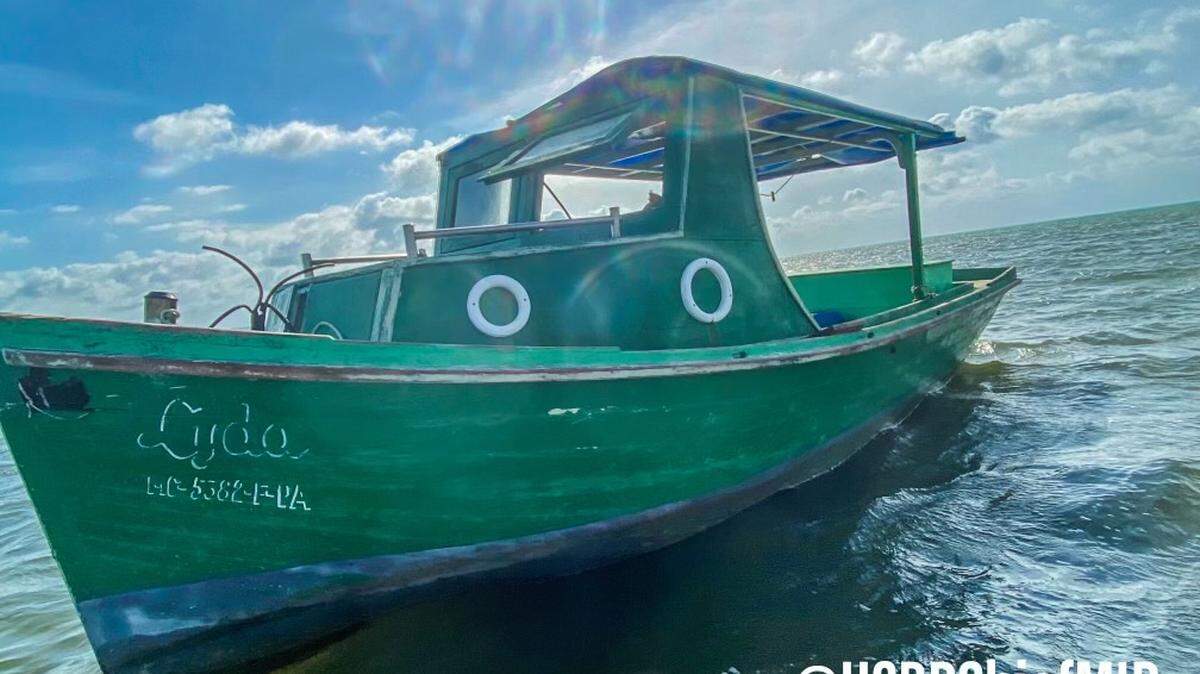
For the second time in two days, a group of Cuban migrants arrived in the Florida Keys by boat.
The landing happened as U.S. officials say illegal migration attempts from the island nation have increased by more than 100% so far this year.
The group of five men and one woman arrived around 8 a.m. Saturday on a green wooden boat near Sombrero Beach in the Middle Keys city of Marathon, said Adam Hoffner, spokesman for the U.S. Border Patrol.
The day before, a group of 13 men arrived near Boot Key Harbor, less than a mile away from Sombrero Beach, also in Marathon.
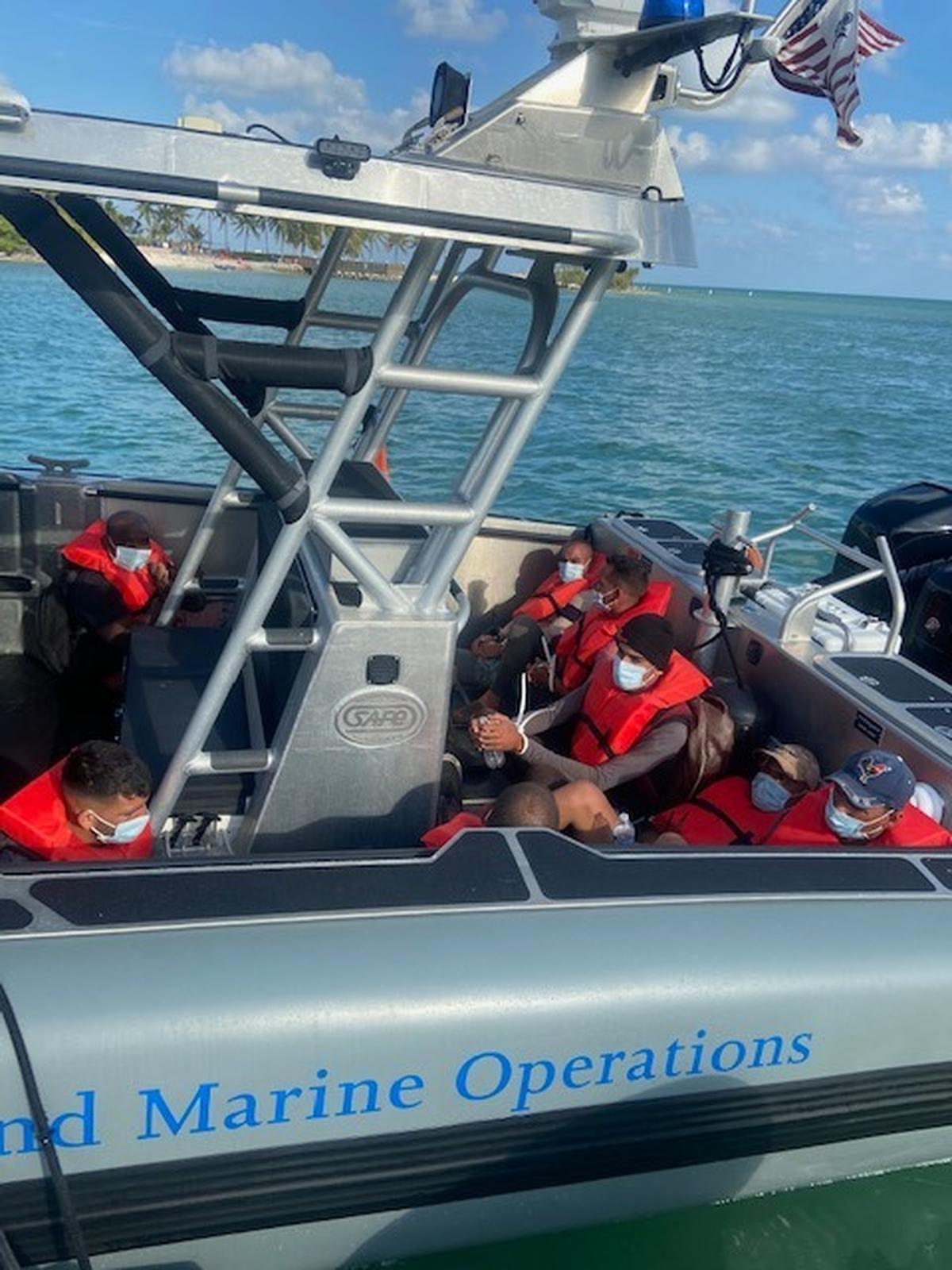
Each group will be processed for removal by the Border Patrol and likely taken back to Cuba by the Coast Guard.
Immigration experts theorize the sudden increase in Cuban migration to the U.S. could be due to a combination of worsening economic and humanitarian conditions within the country, and hope that the administration of President Joe Biden will be more tolerant to undocumented immigrants.
The numbers of Cubans making the often treacherous maritime journey across the Florida Straits had plummeted following the ending of the so-called “wet-foot, dry-foot”” policy by the Obama administration in early 2017. Before that decision, immigration authorities in South Florida were dealing with multiple landings or attempted landings per week.
But, after the policy ended, so did the incentive for attempting the trip. Wet-foot, dry-foot allowed anyone from Cuba who set foot on U.S. soil above the high-water line to stay in the country and apply for permanent residency after a year. Those caught at sea were returned to Cuba.
The federal government records migration attempts and landings by the fiscal year, which begins Oct. 1. In all of last fiscal year, the U.S. Coast Guard said it stopped 49 people at sea trying to make it to Florida.
So far this fiscal year, the agency has stopped more than 100 people.
This story was originally published April 10, 2021 at 1:57 PM with the headline "For the second day in a row, a group of Cuban migrants lands in the Keys."