A husband and wife among a group of Cuban migrants arriving in the Florida Keys
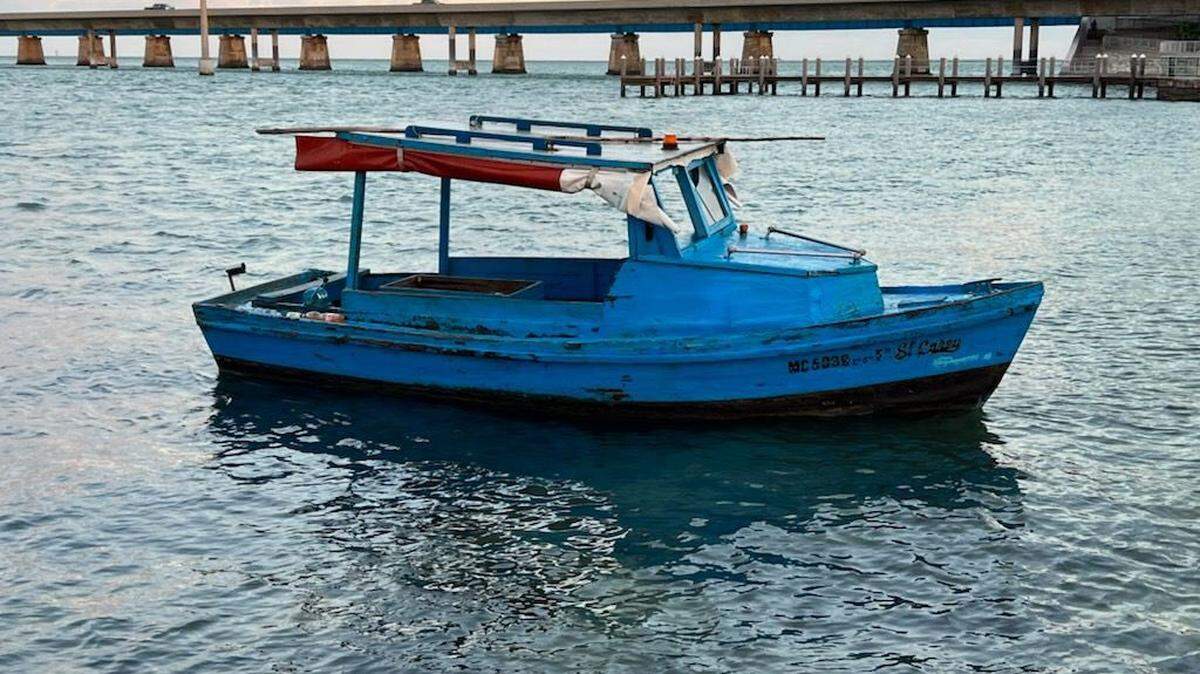
A group of Cuban migrants landed in the Florida Keys Wednesday morning, according to Monroe County Sheriff’s Office dispatch records
Deputies encountered two people — a husband and wife — about 6:30 a.m. near Grassy Key in the Middle Keys, according to records from the sheriff’s office.
The couple told deputies they were with other people who left them behind. The dispatch records show a boat was located south of where the couple was found with seven people on board.
It’s not clear yet if that was the same boat on which the couple arrived or if it arrived separately. Adam Hoffner, division chief of U.S. Customs and Border Protection’s Miami operations, said Wednesday afternoon that “the suspected event is still under investigation.”
READ MORE: Lost contact with migrant relatives sailing to Florida? Here’s how to get their status
The sheriff’s office received another call at 8:15 a.m. about a 20-foot boat carrying migrants off Pigeon Key at the northern base of the Seven Mile Bridge, but the Border Patrol and the Coast Guard said they did not respond to an incident there.
Wednesday’s landing is part of an ongoing surge in maritime migration from both Cuba and Haiti. And, people are fleeing both countries in numbers not seen in several years, even though there is no legal incentive to do so.
READ MORE: How are migrants traveling to South Florida? The pictures of their boats tell the story
Until early 2017, it was arguably worth the risk for Cubans because of the “wet-foot, dry-foot” policy that allowed those who stepped on U.S. land to stay and apply for permanent residency after a year. Those stopped at sea were taken back to Cuba.
But the Obama administration abruptly ended the policy in January 2017 as part of its efforts to thaw diplomatic ties with the Cuban communist government. Now, like all people entering the United States without a proper visa, most Cubans are returned home.
The U.S. never had such a policy for Haitian migrants.
This story has been updated based on new information that only one landing occurred, not two, as was originally reported.
This story was originally published March 30, 2022 at 11:38 AM with the headline "A husband and wife among a group of Cuban migrants arriving in the Florida Keys."