
He got a start on a shipwreck filled with gold. Now he’ll watch over a Keys history vault
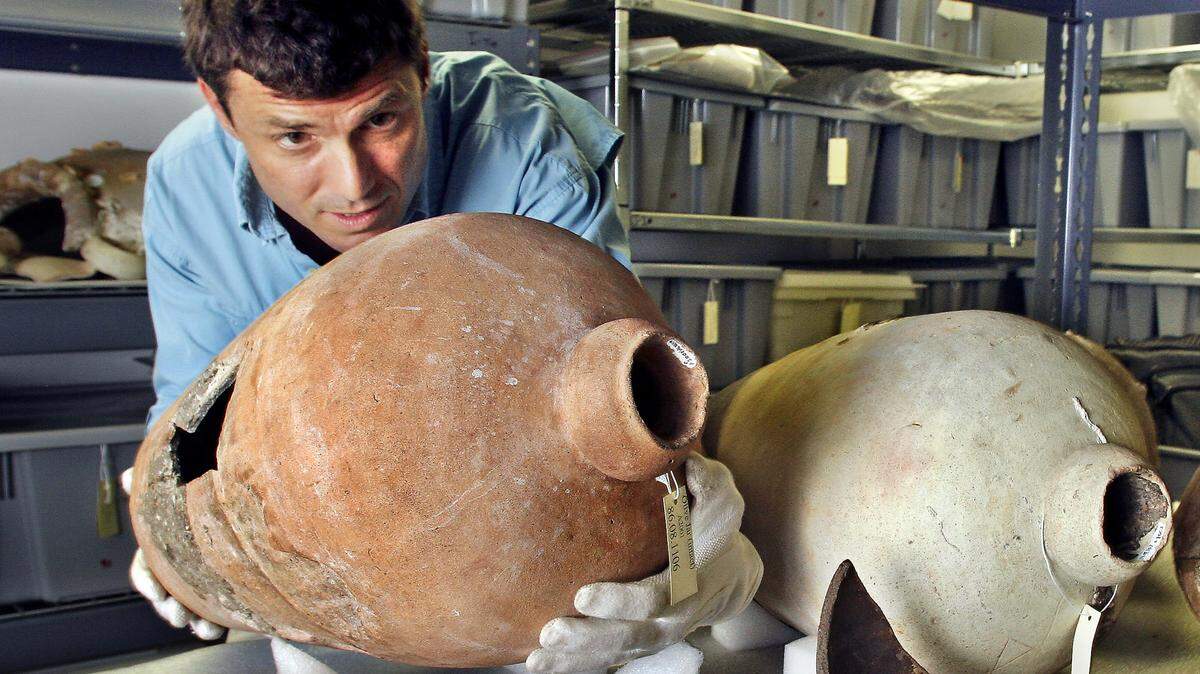
In the summer of 1985, Key West was watching one of the most famous and valuable shipwrecks in history shake out $400 million worth of cargo, after the legendary treasure hunter Mel Fisher struck gold off the Marquesas Keys.
While the world reacted to the thrilling find of the Spanish galleon Nuestra Senora de Atocha, which sank during a deadly hurricane in 1622, disappearing while loaded with gold and silver bars, emeralds and coins, Corey Malcom headed down to end of the road.
Malcom was part of an archaeological firm hired by Fisher to come to Key West and document the Atocha his crew finally discovered after a 16-year search.
“Mel needed help and we put in a bid,” Malcom said.
Malcom, 59, has lived in Key West since, recording the island chain’s history through underwater finds, including ships from the transatlantic slave trade.
By the end of June, Malcom will start work as lead historian for the Florida Keys History Center at the Monroe County Library in Key West. He’s taking over a spot held by historian Tom Hambright, who retired this month after 36 years, and will work alongside archivist Breana Sowers in the department.
Through the decades, Hambright became an ambassador for the Keys, appearing on national TV for interviews about Keys history and keeping watch over the growing vault of archives inside the public library at 700 Fleming St.
“Malcom is a world-class historian,” Hambright said in a statement through the county. “His work with Spanish wrecks and slave ships is phenomenal. I look forward to his successful tenure at the Florida Keys History Center.”
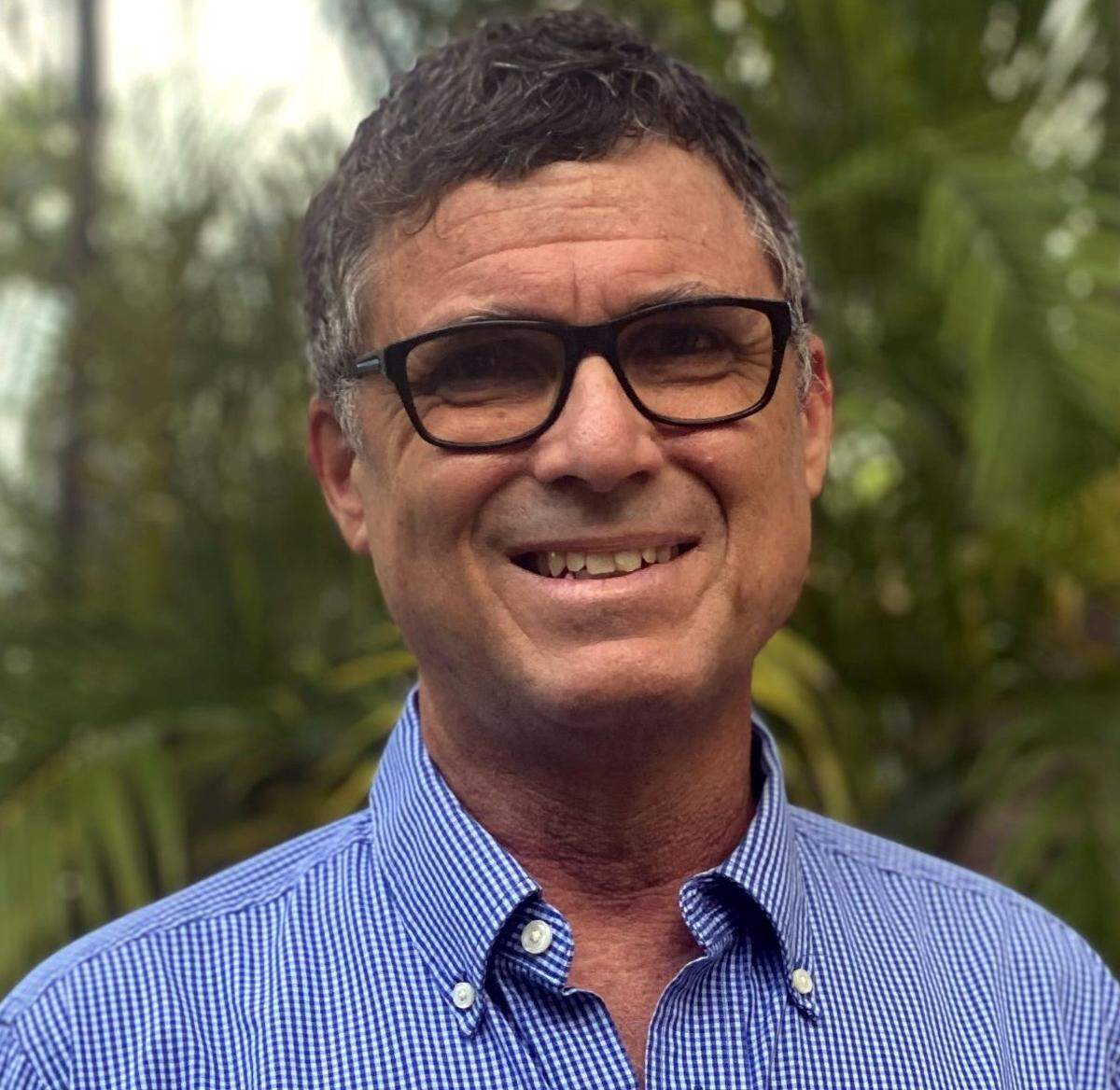
After 34 years as director of archaeology at the Mel Fisher Maritime Museum, 200 Greene St., Malcom is ready to dig in to take inventory and organize the Monroe County archives at the library’s history, which is open to the public, that chronicle the many transformations of the Keys.
“Not just Key West but all of the Florida Keys,” Malcom said, tracing the region from Biscayne Bay to the Dry Tortugas.
While growing up in New Castle, Indiana, Malcom was drawn to history. He graduated from Indiana University and then earned a master’s degree at Nova Southeastern University in Broward County and a doctorate from the University of Huddersfield in England.
“Somehow, it just helped me make sense of the world,” he said.
‘History happening before our eyes’
Malcom lives in Key West with his wife, Lisa, and their three children.
He is ever-present at historic celebrations in the Keys. The Southernmost City marked its bicentennial earlier this year with drone fireworks, a gala and a time capsule. And Sept. 6 will mark the 400th anniversary of the sinking of the Atocha and other vessels in the fleet.
But it all started with the Atocha. Working for Fisher was an extraordinary chapter for Malcom.
“You had to be sort of half crazy to do what he did, take on the ocean in this huge battle and win,” Malcom said of Fisher, who died in 1998. “He was quite grounded at the same time.”
The archaeological research on the Atocha wreck helped tell the stories behind the gold bars.
“All of these shipwreck stories are historical events and it takes a huge amount of research to make sense of these objects,” Malcom said. “It’s not just about the stuff; it’s about history as well.”
The Atocha was just the beginning of Malcom’s work in the Keys.
Specializing in maritime research of the Keys and the Bahamas, Malcom led projects on wrecks that included the 1700 English slave ship the Henrietta Marie and the 1827 Spanish pirate slave ship the Guerrero.
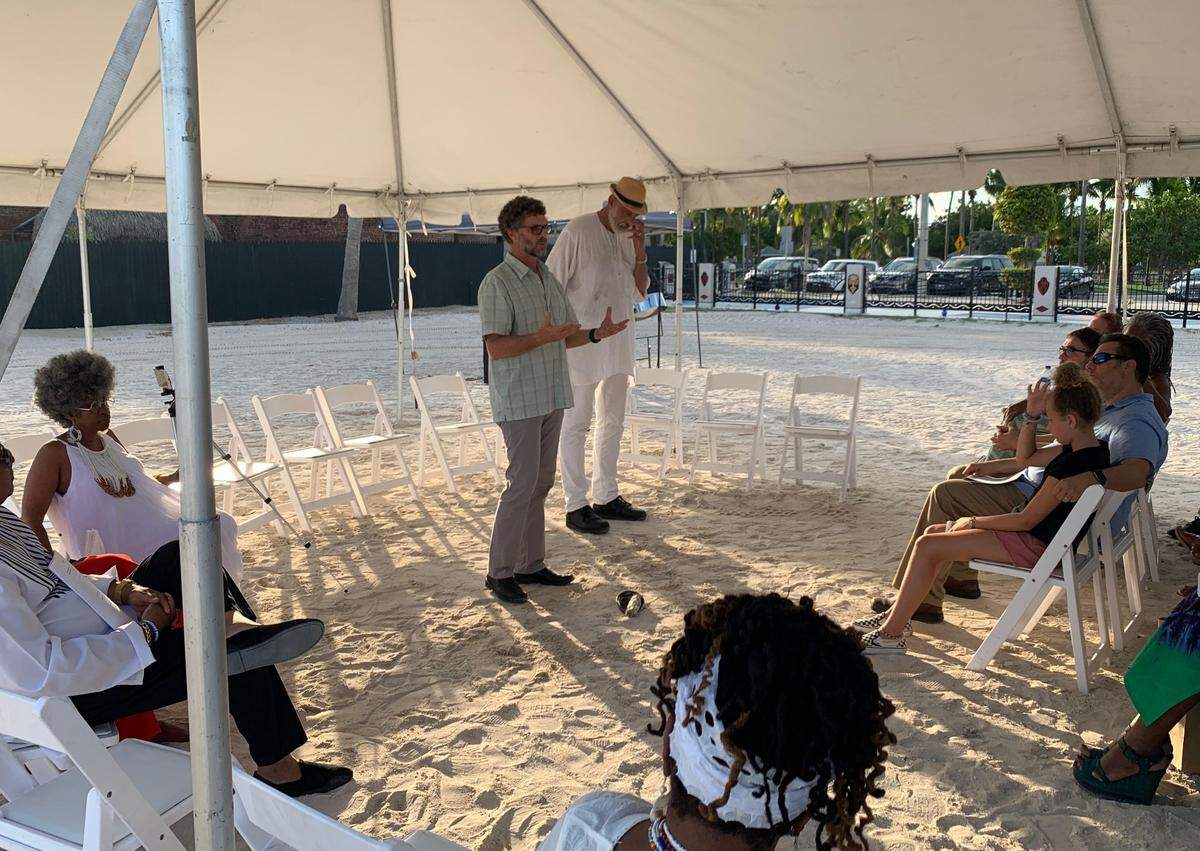
In 2002, Malcom and the Mel Fisher Maritime Museum put together a ground-penetrating radar survey at Higgs Beach in Key West to look for a burial site.
In 1860, 1,432 Africans were rescued by the Navy, which stopped three ships used in the slave trade at sea. A few hundred of the refugees died in Key West from incurable diseases and were buried on the southern shore of Key West.
Beneath the sand, where a volleyball court and picnic tables had sat, graves were found. Today it’s the African Cemetery at Higgs Beach, a state landmark.
The cemetery helped tell so many people’s stories. And Malcom helped put a marker on the resting places.
“It really is a symbol of something so much bigger, a global system and the dying days of the transatlantic slave trade that ran for 350 years comes to a head here in 1860,” Malcom said.
Malcom said it’s important to document the recent spike in Cuban maritime migration, with people from the island nation arriving in the Keys in homemade boats each week.
“This is history happening before our eyes today.”
This story was originally published June 8, 2022 at 6:00 AM with the headline "He got a start on a shipwreck filled with gold. Now he’ll watch over a Keys history vault."
%20Cropped%20(1).jpg)