How the launch of 4 new weather satellites will change hurricane forecasts and tracking
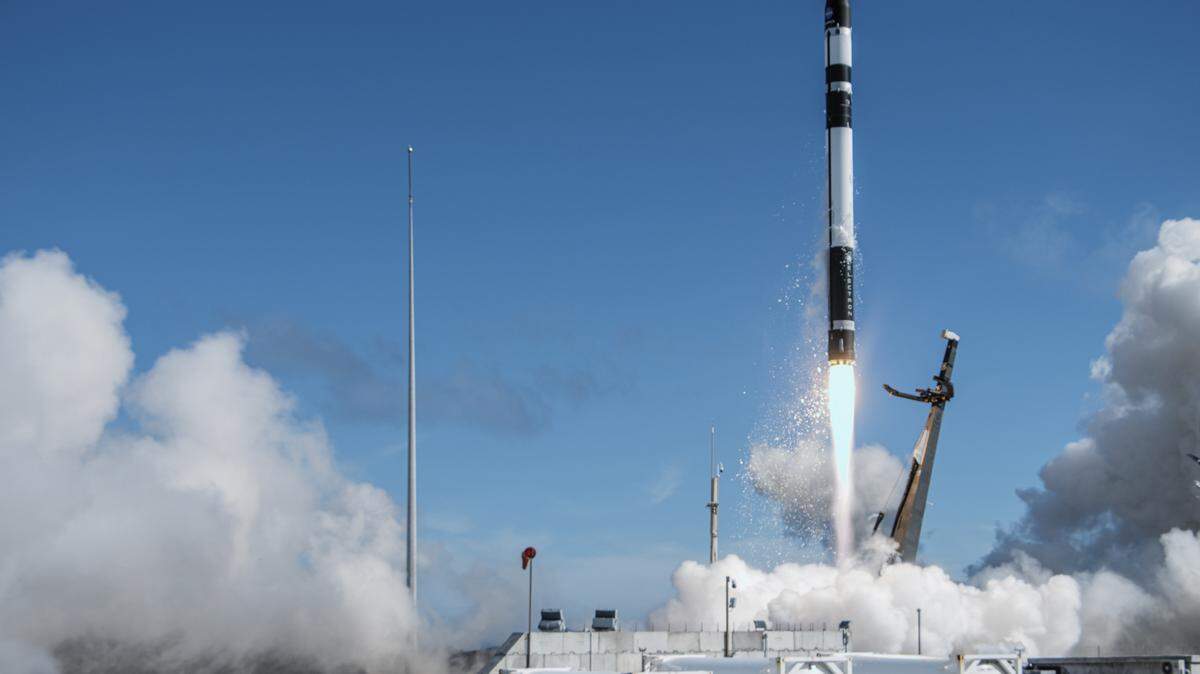
NASA has launched two of four planned satellites into orbit that the space agency says will improve the tracking of tropical cyclones by this hurricane season.
Until now, weather satellites could only pass over hurricanes about once every six hours. Once the four satellites are in space and working together as a “constellation,” NASA said they will be able to pass over and observe tropical systems about once an hour.
“Providing more frequent imaging will not only improve our situational awareness when a hurricane forms,” Karen St. Germain, director, Earth Science Division at NASA Headquarters, said in a statement. “The data will provide information to models that help us determine how a storm is changing over time, which in turn helps to improve forecasts from our partners like the National Hurricane Center and Joint Typhoon Warning Center.”
The first pair of the TROPICS satellites launched from private rocket company Rocket Lab’s complex in Mahia, New Zealand, on Sunday, according to NASA.
The team operating the systems includes scientists from NASA, Massachusetts Institute of Technology and the National Oceanic and Atmospheric Administration.
The second pair of TROPICS satellites is expected to launch in about two weeks, NASA said.
This story was originally published May 10, 2023 at 8:37 AM with the headline "How the launch of 4 new weather satellites will change hurricane forecasts and tracking."