GPS data is a focus of George Pino boat-crash trial as an expert testifies
READ MORE
The investigation into 2022 boat crash that killed a high school student
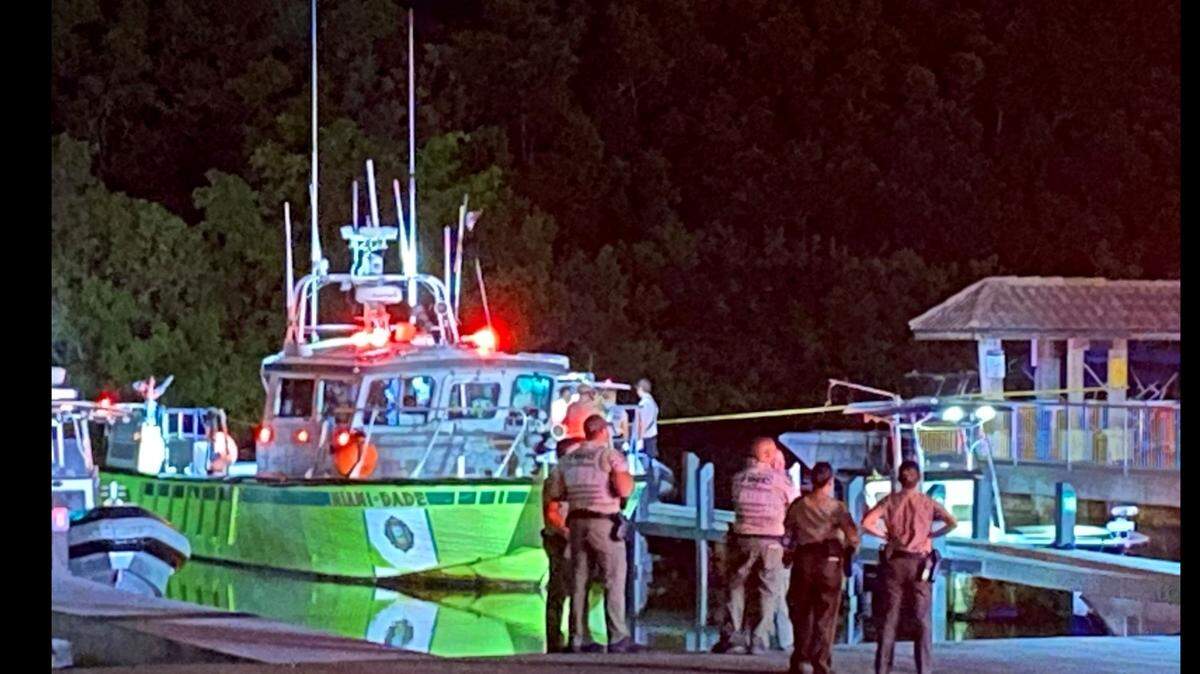
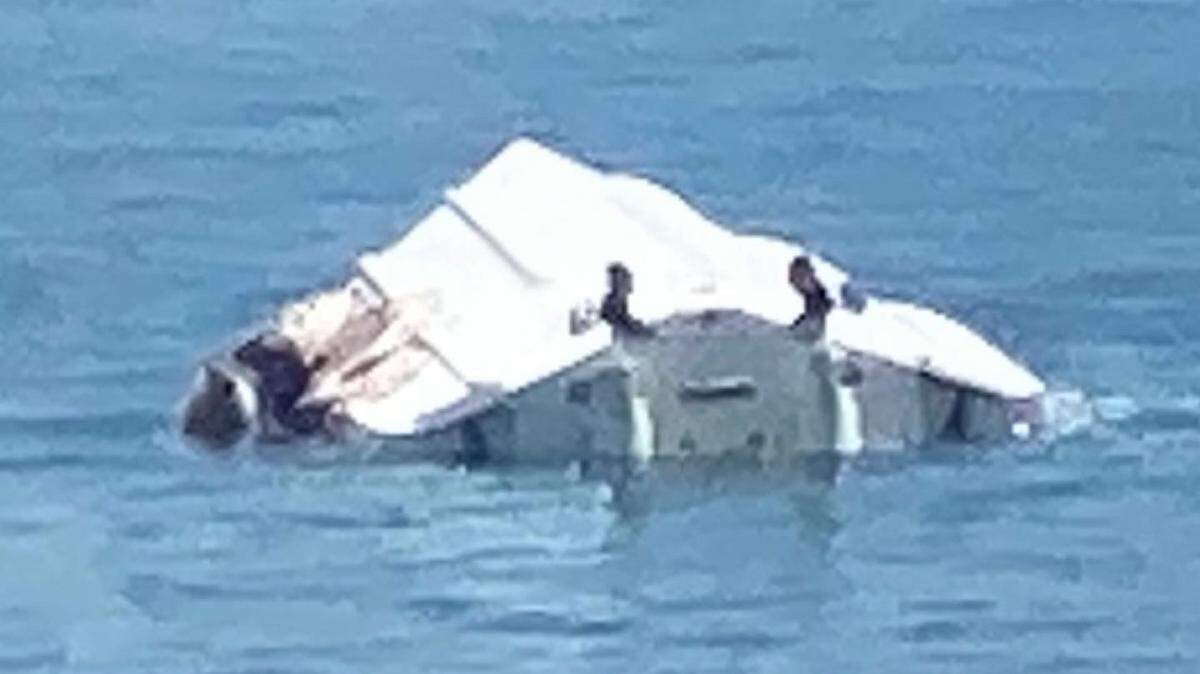
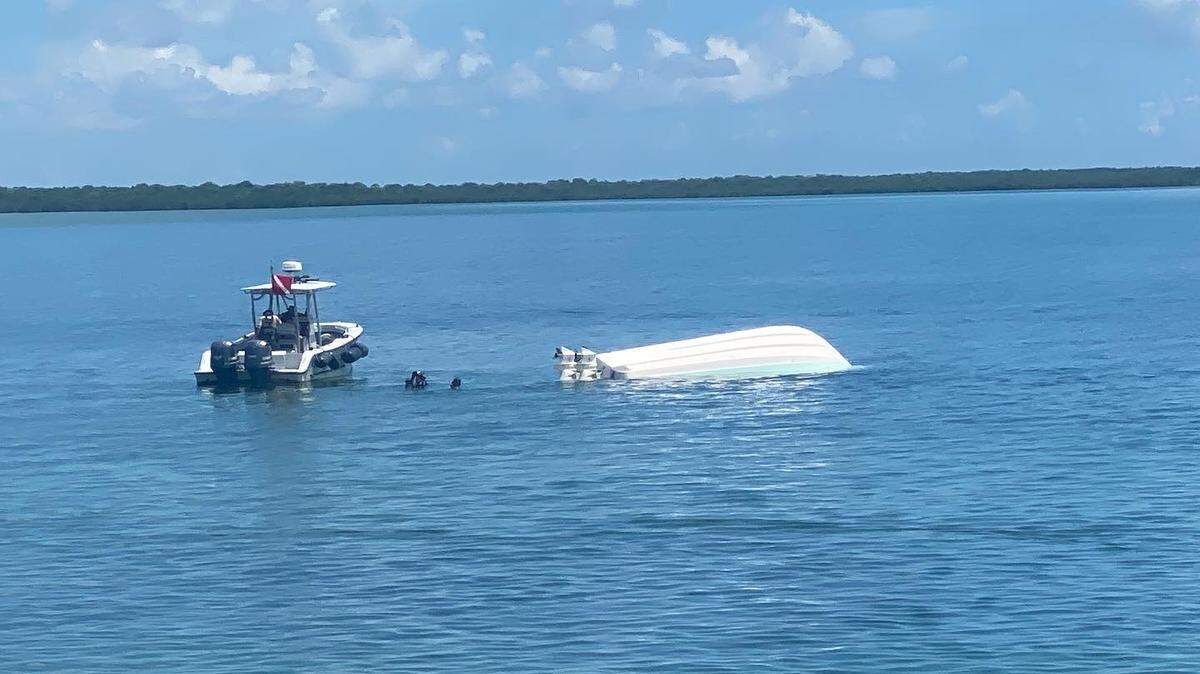
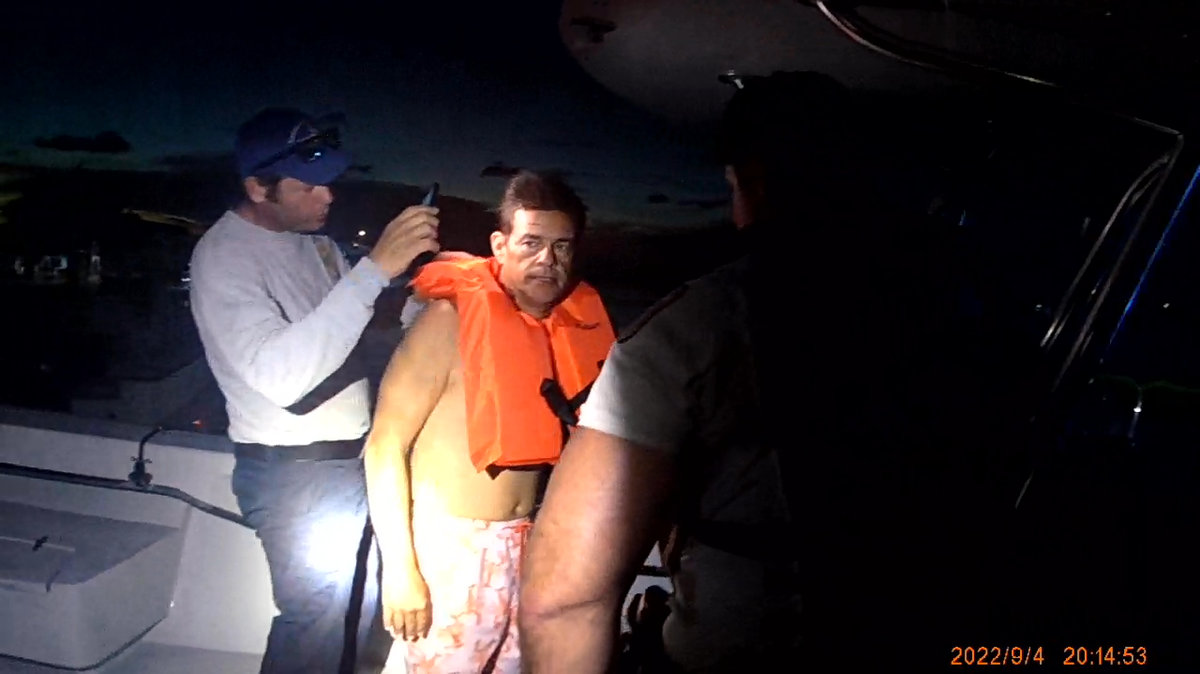
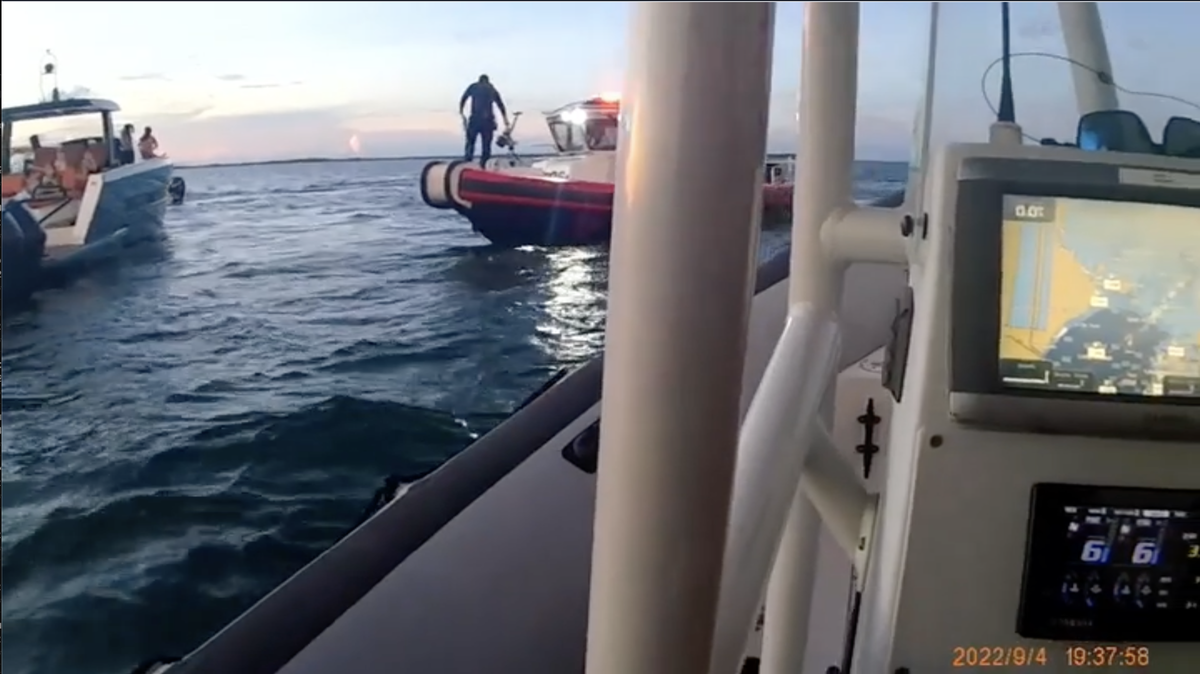
On Sept. 4, 2022, a boat operated by real estate broker George Pino crashed in Biscayne Bay, killing 17-year-old Lucy Fernandez.
Expand All
In the nine seconds before the boat crash that killed a 17-year-old girl, Doral real estate broker George Pino traveled the length of three football fields, going around 47 mph, a boating expert testified Monday.
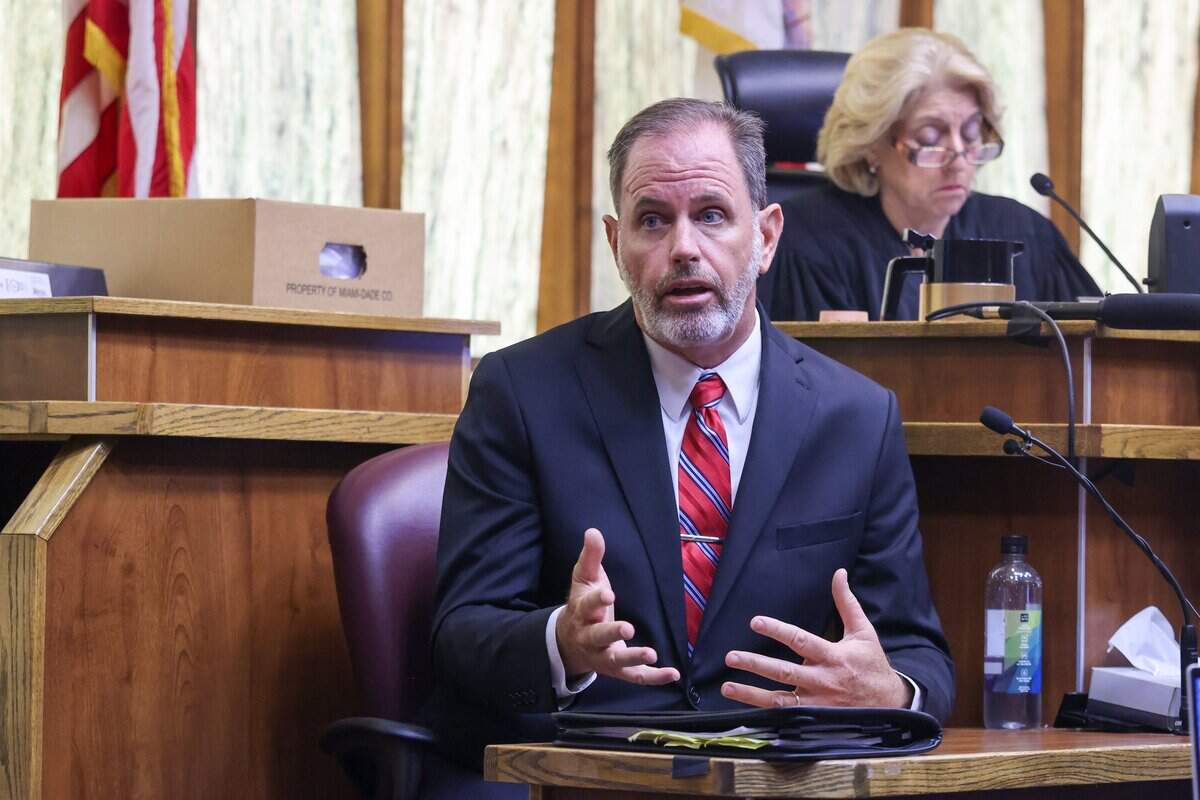
Lt. Paul Alber, a boating expert called to the witness stand by prosecutors, walked jurors through Pino’s trajectory on the day of the crash in a series of maps created from GPS data. Alber inspected Pino’s 29-foot Robalo and said he was contacted by the Florida Fish and Wildlife Conservation Commission, the lead investigating agency, the day after the crash to analyze the boat’s GPS.
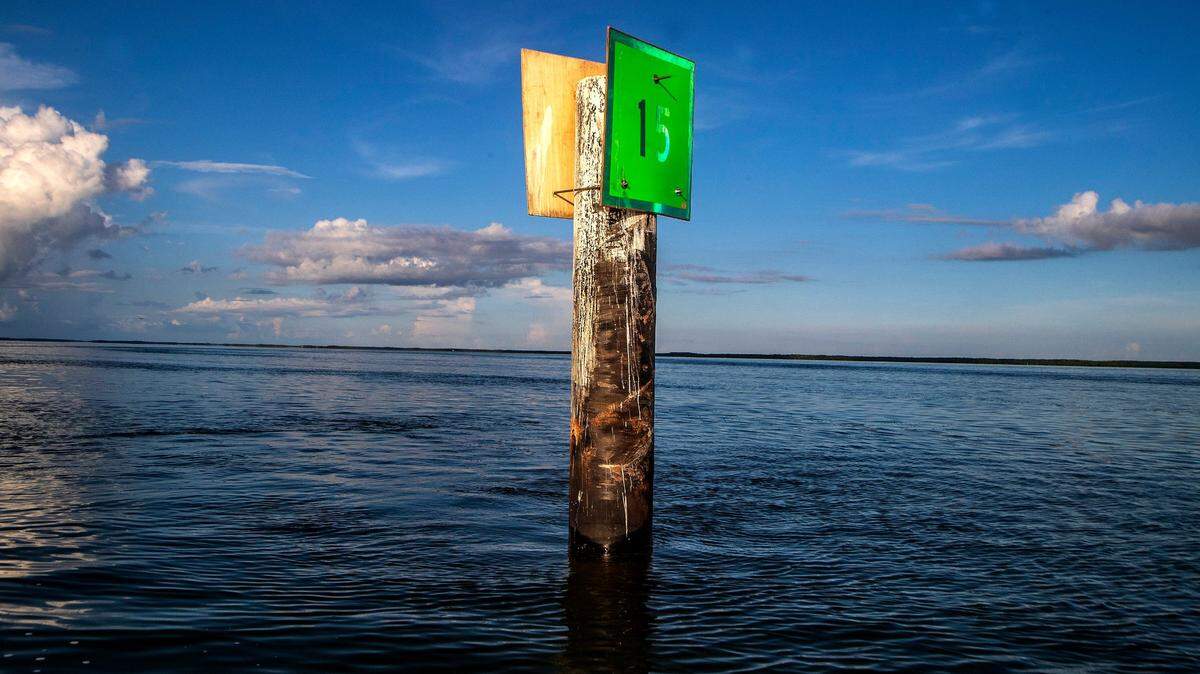
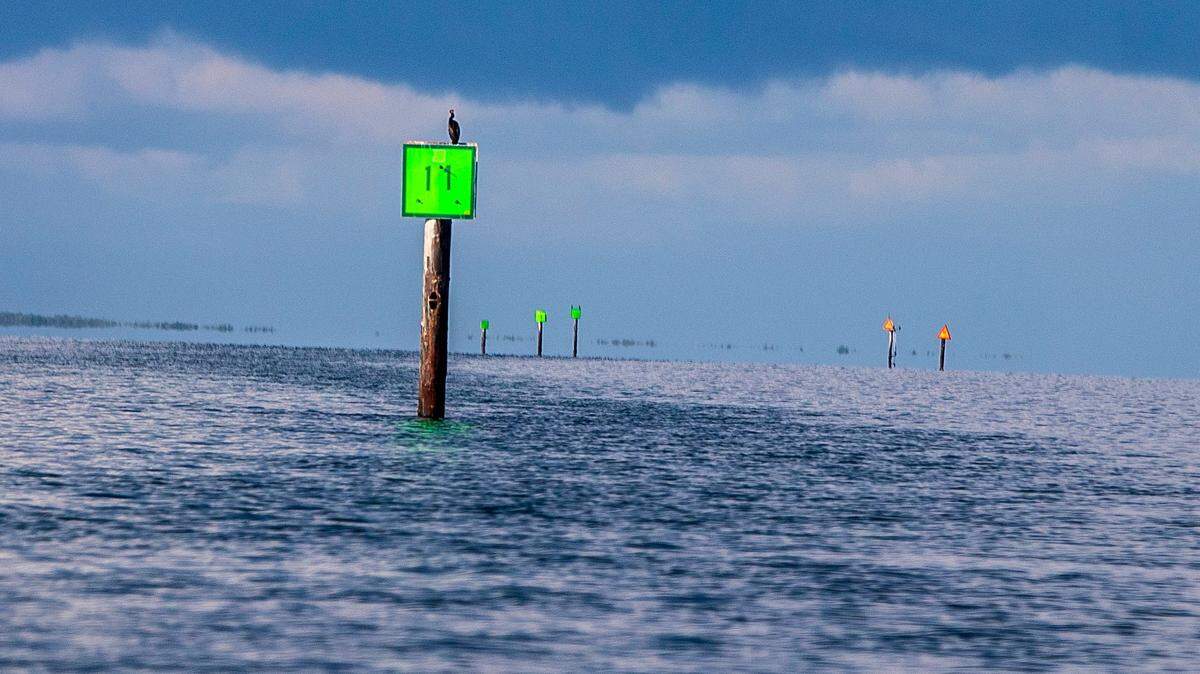
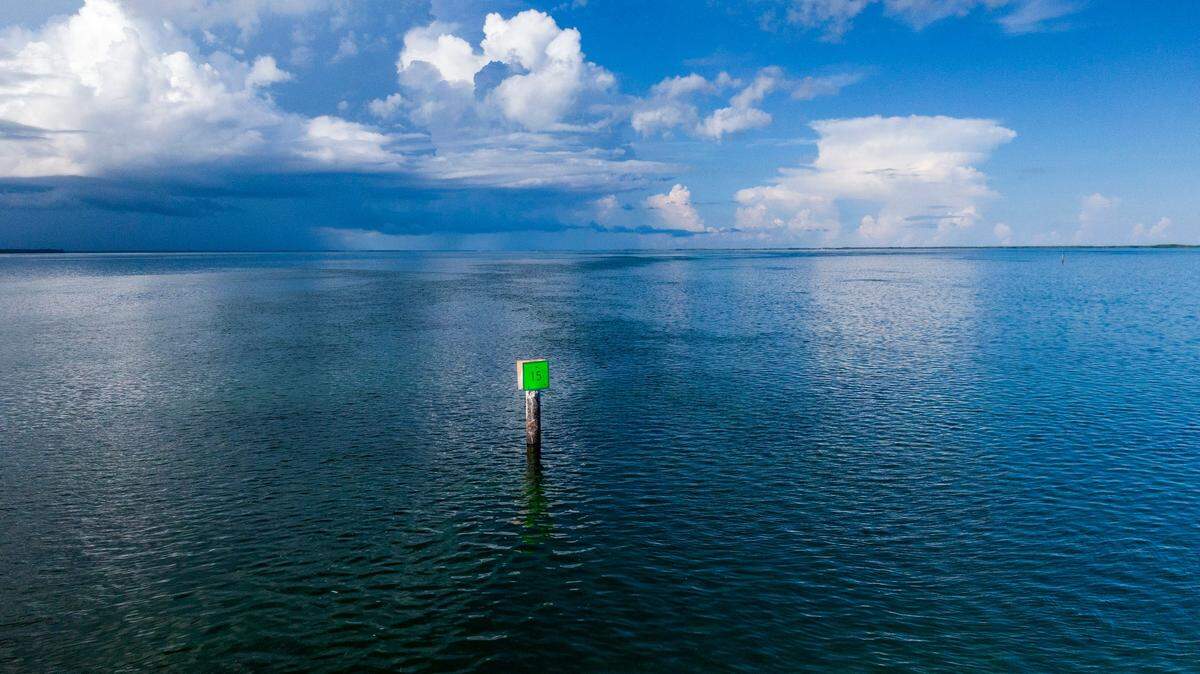
Pino, he added, frequently traversed Cutter Bank, according to historical GPS data, and should have been aware of the location of the channel marker before he plowed into it.
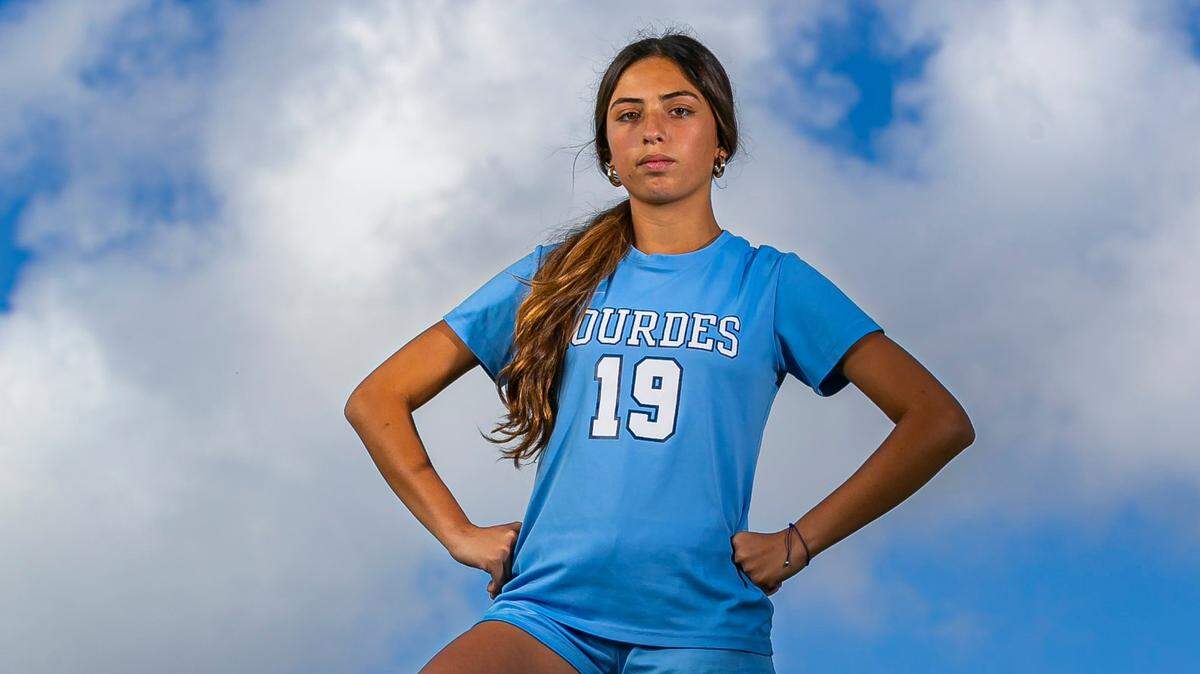
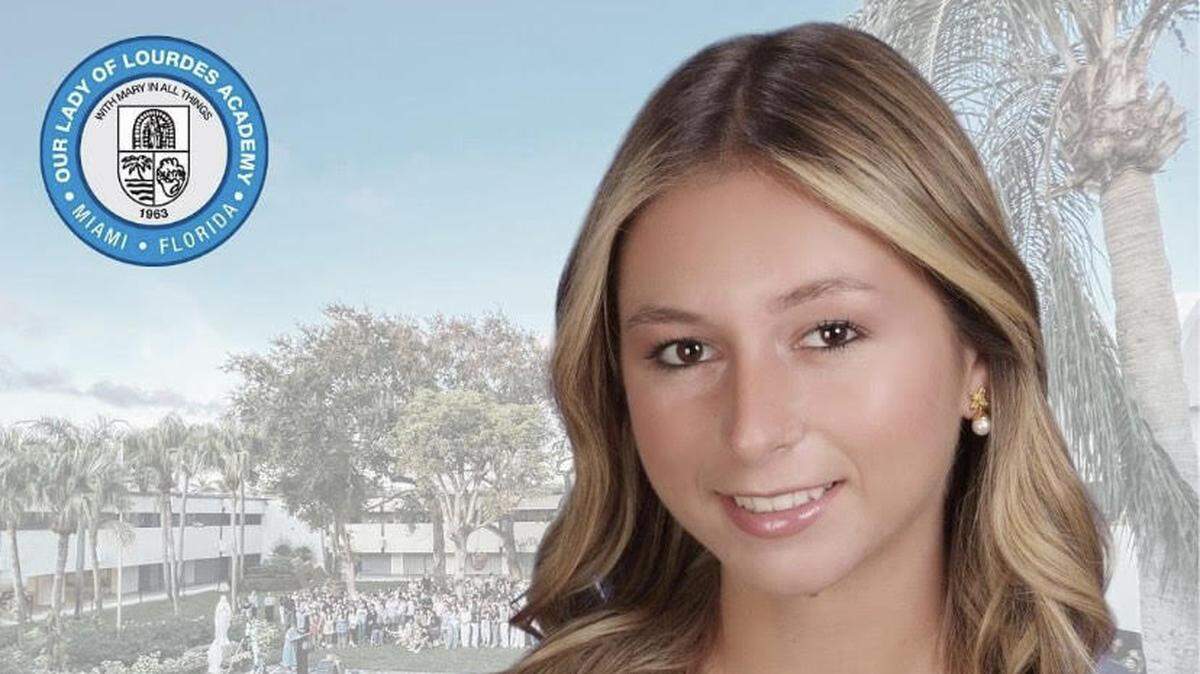
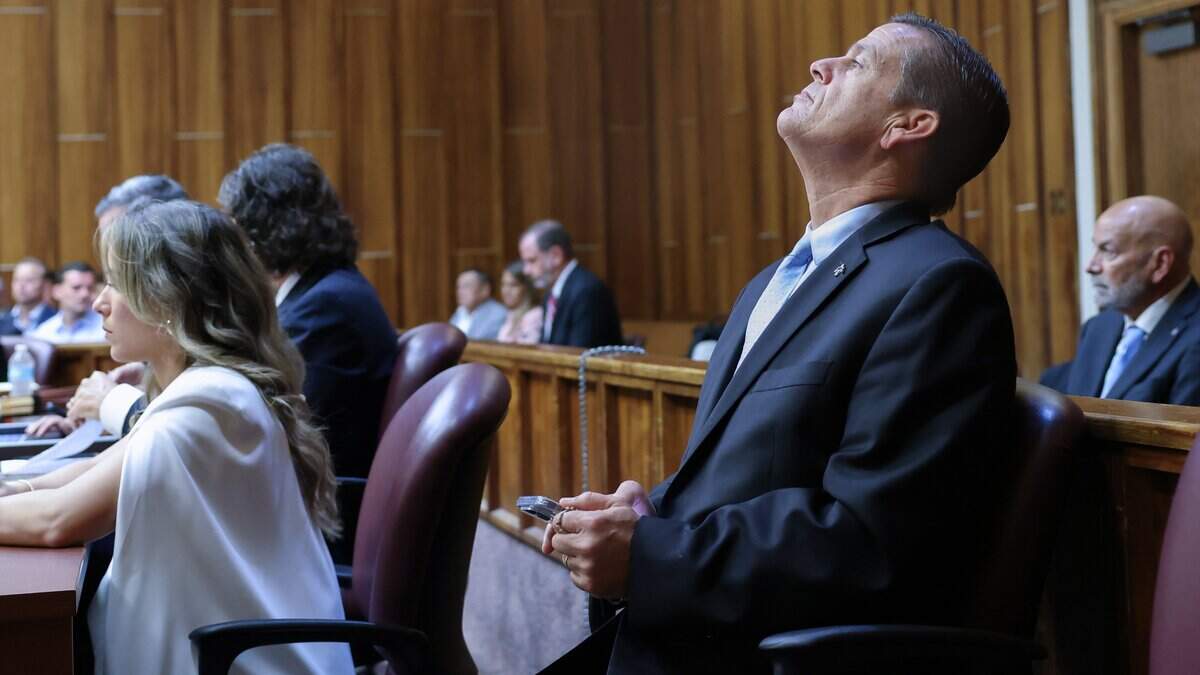
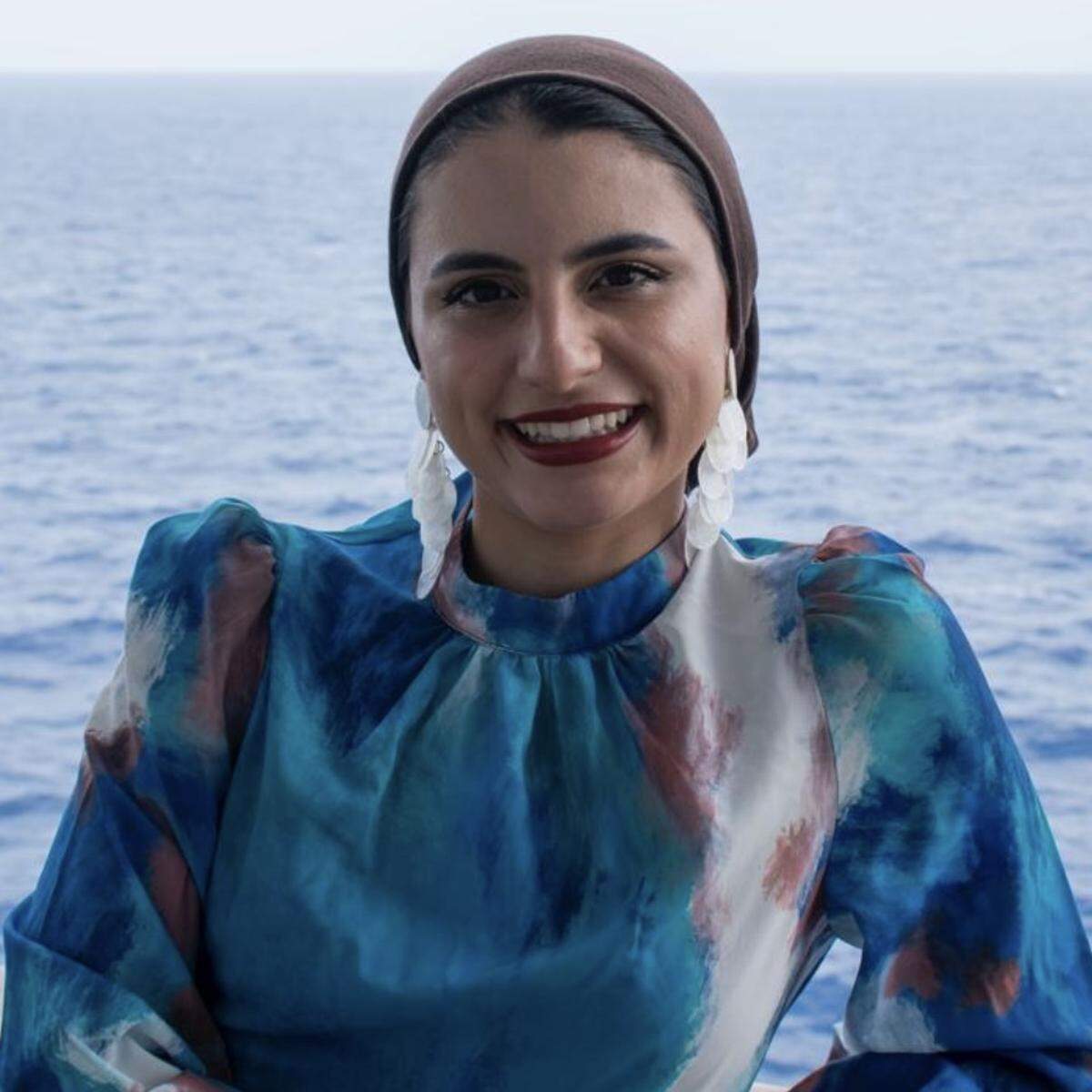
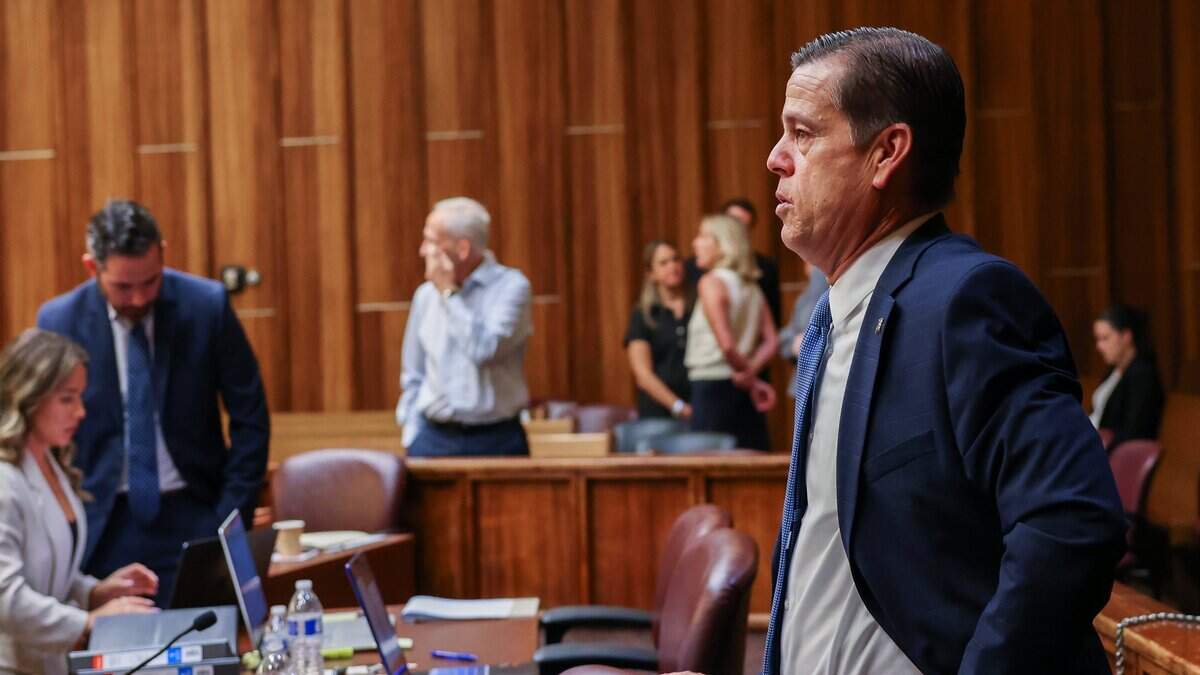
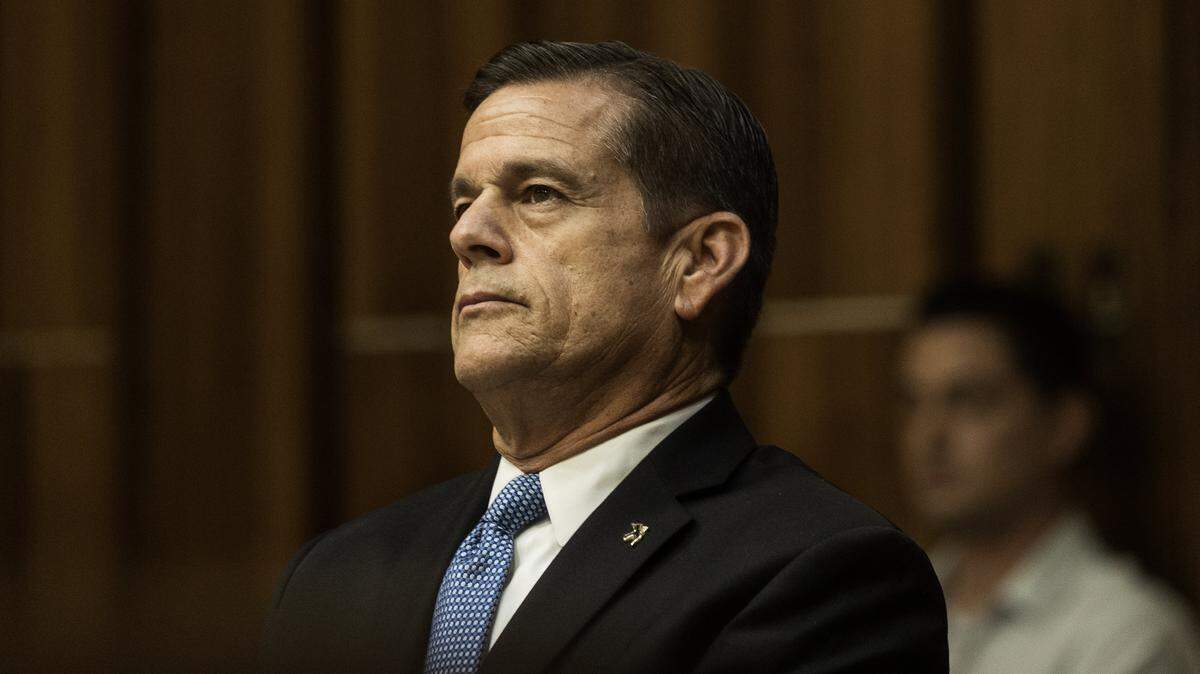
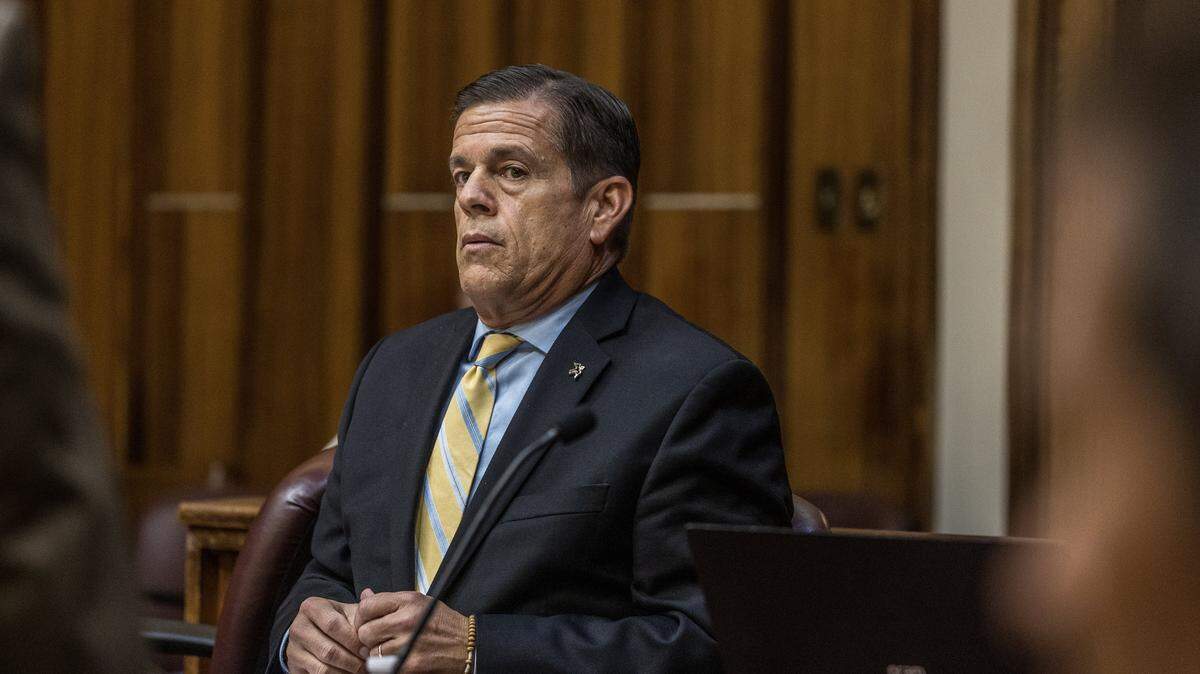
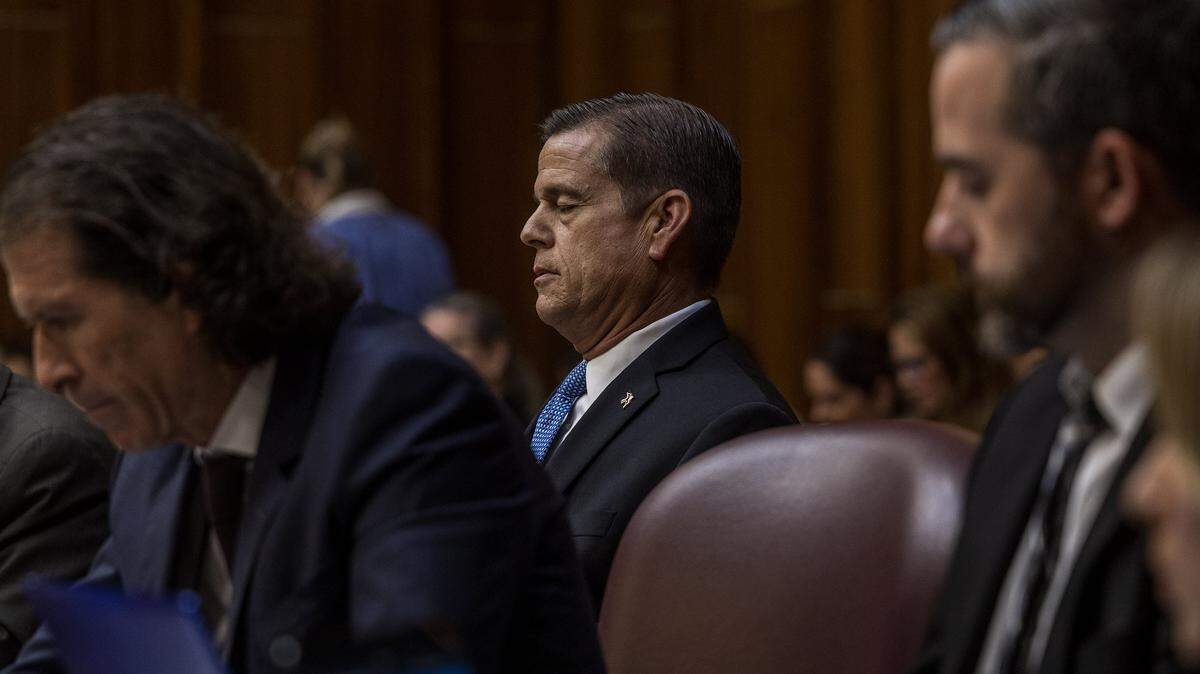
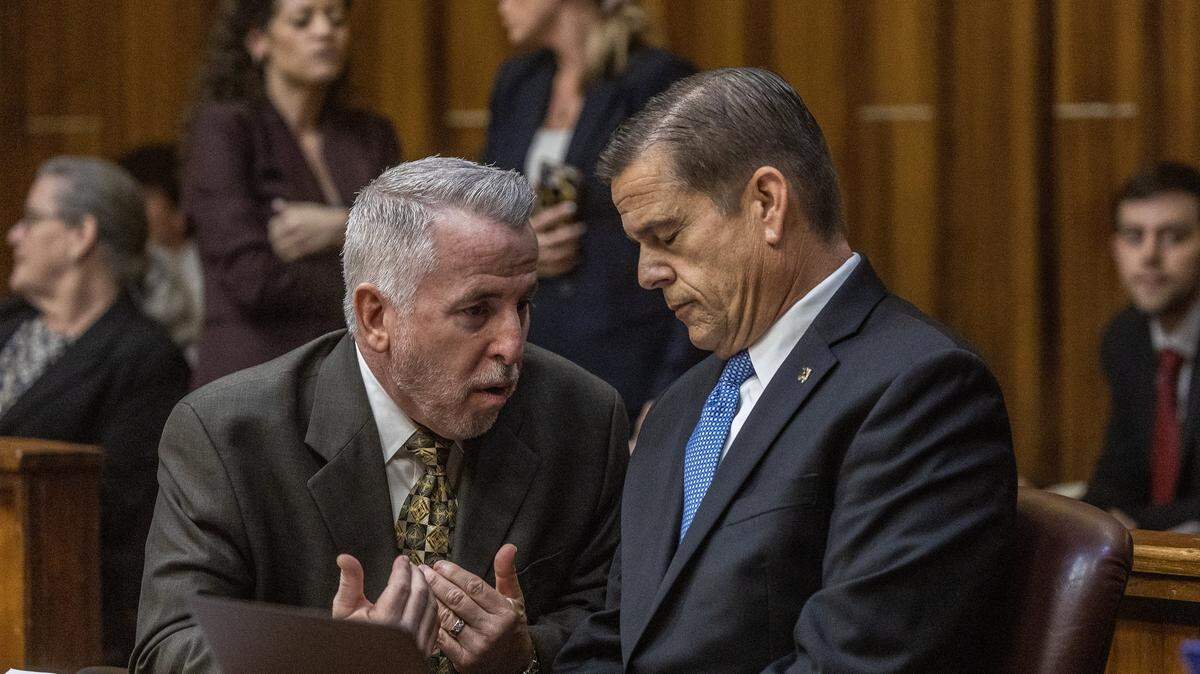
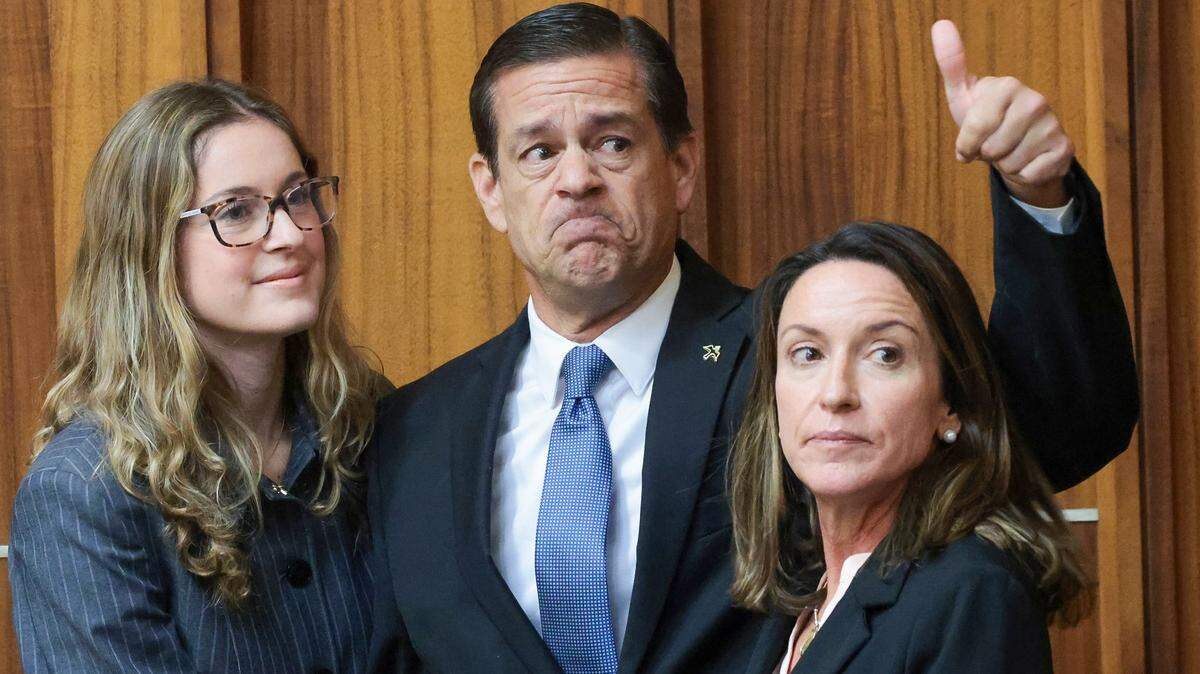
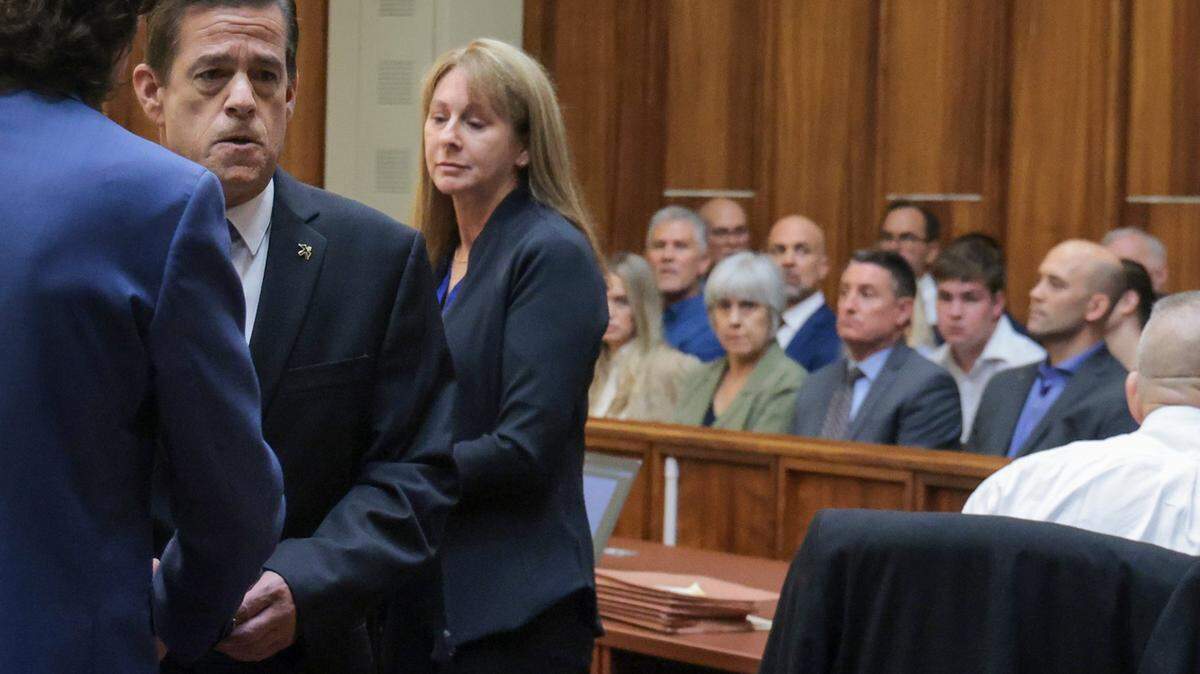
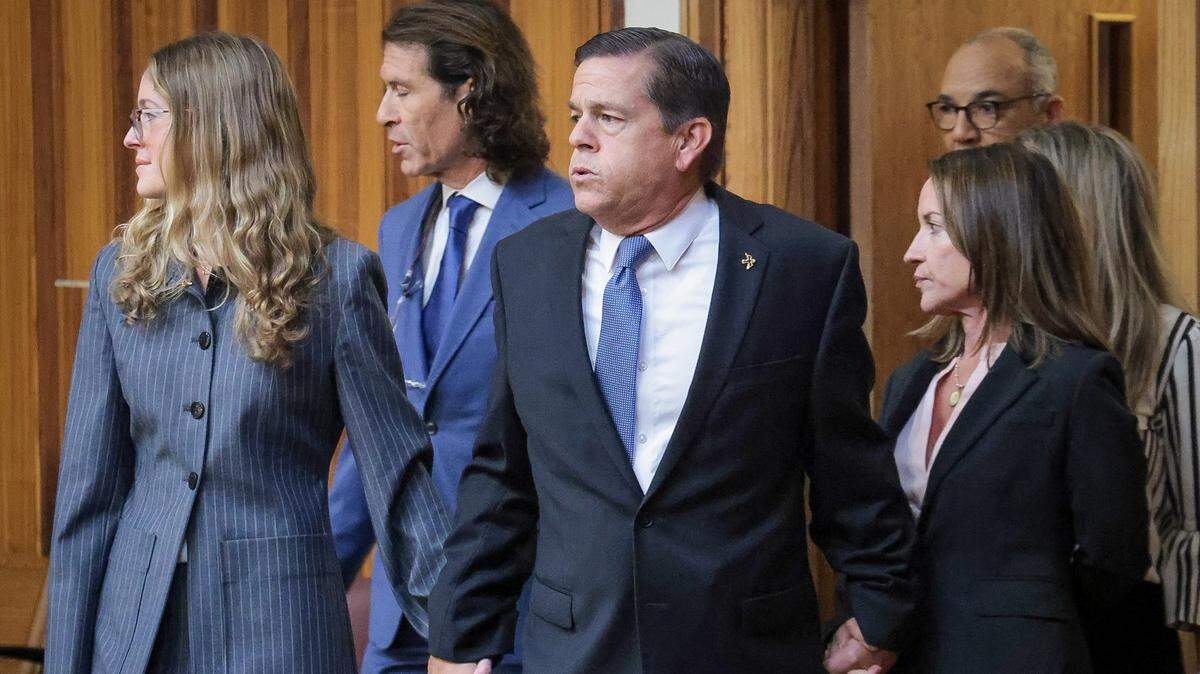
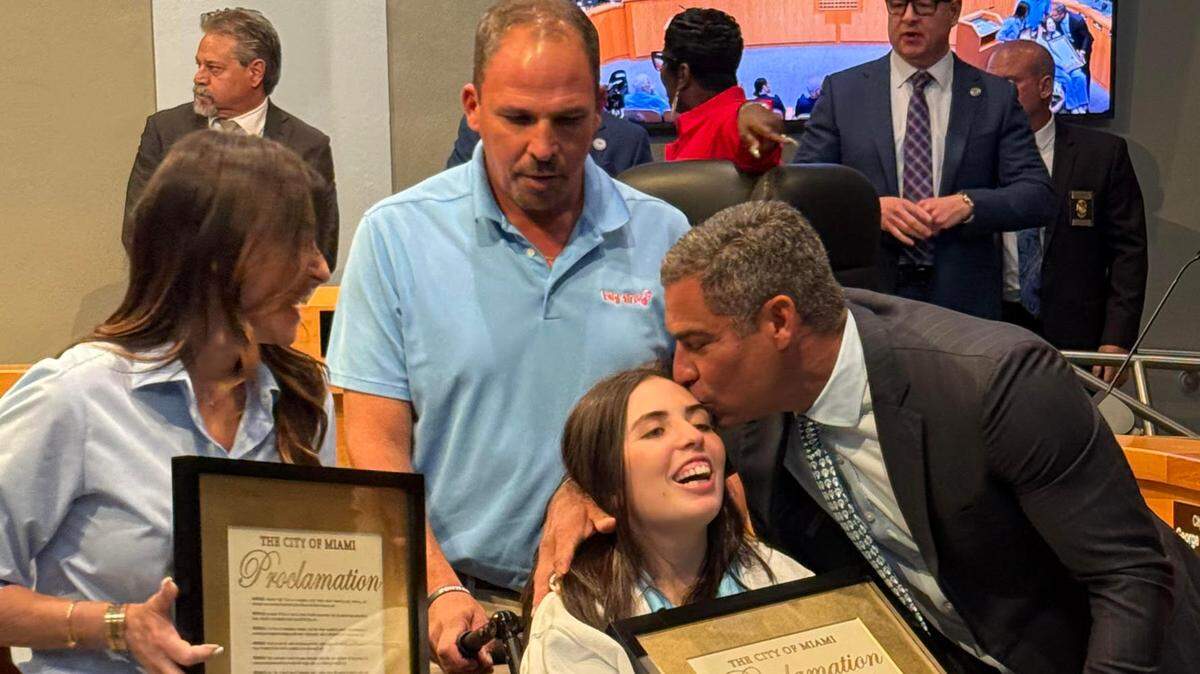
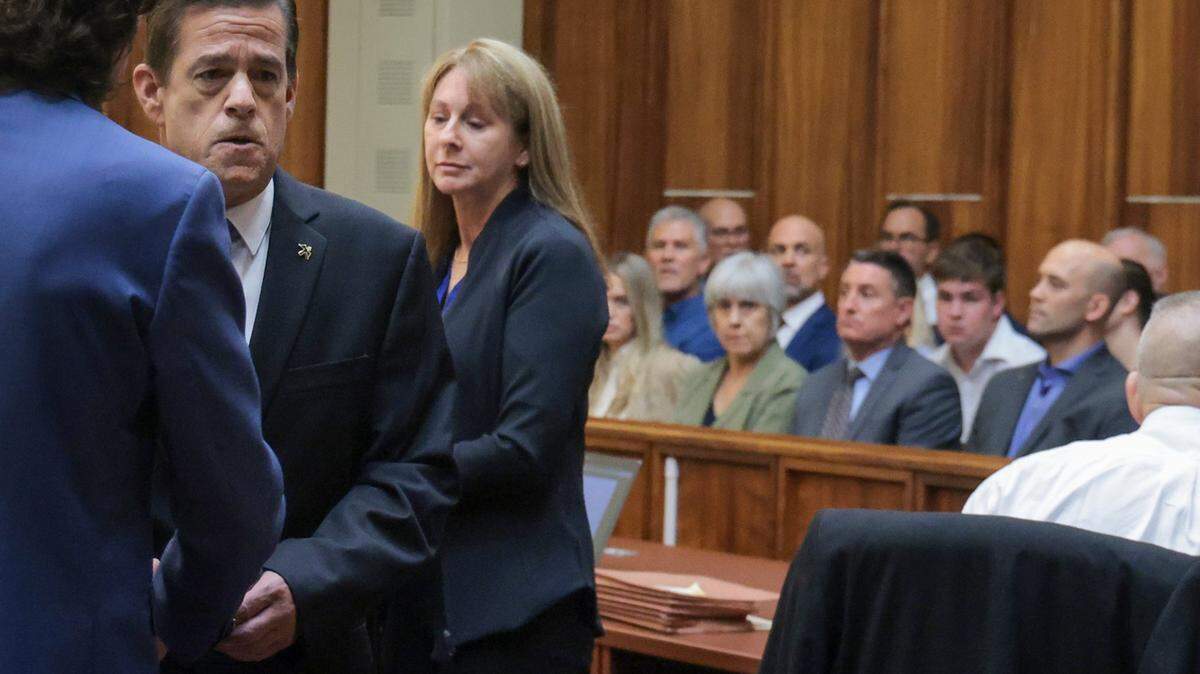
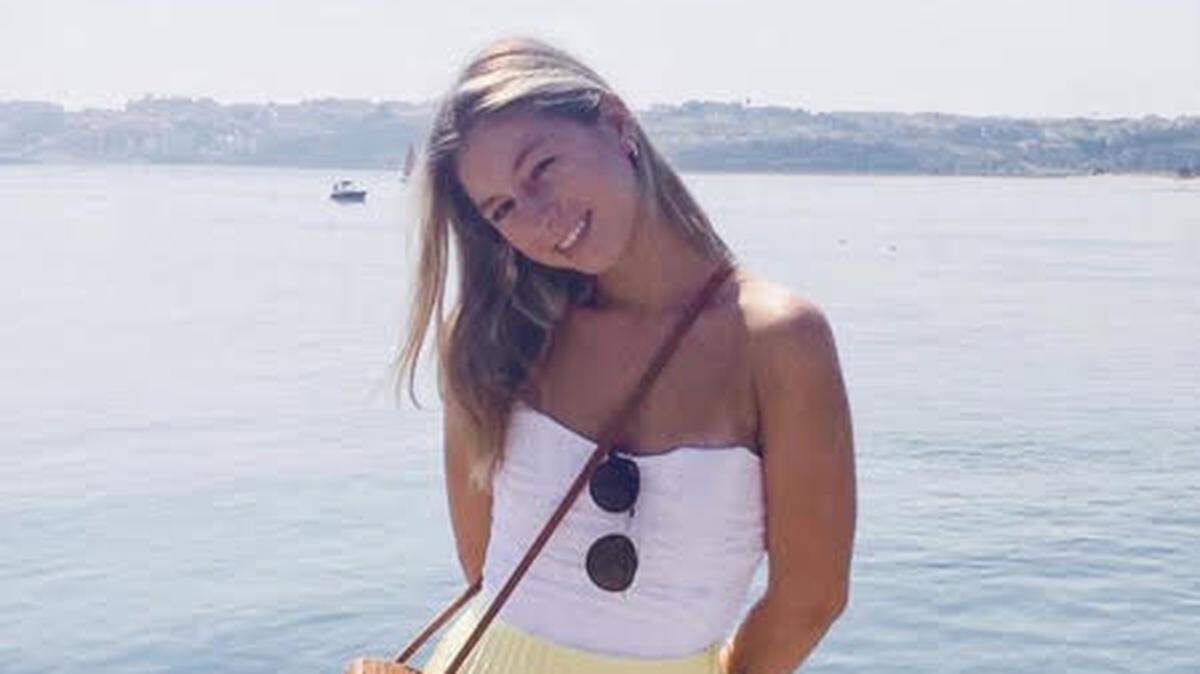
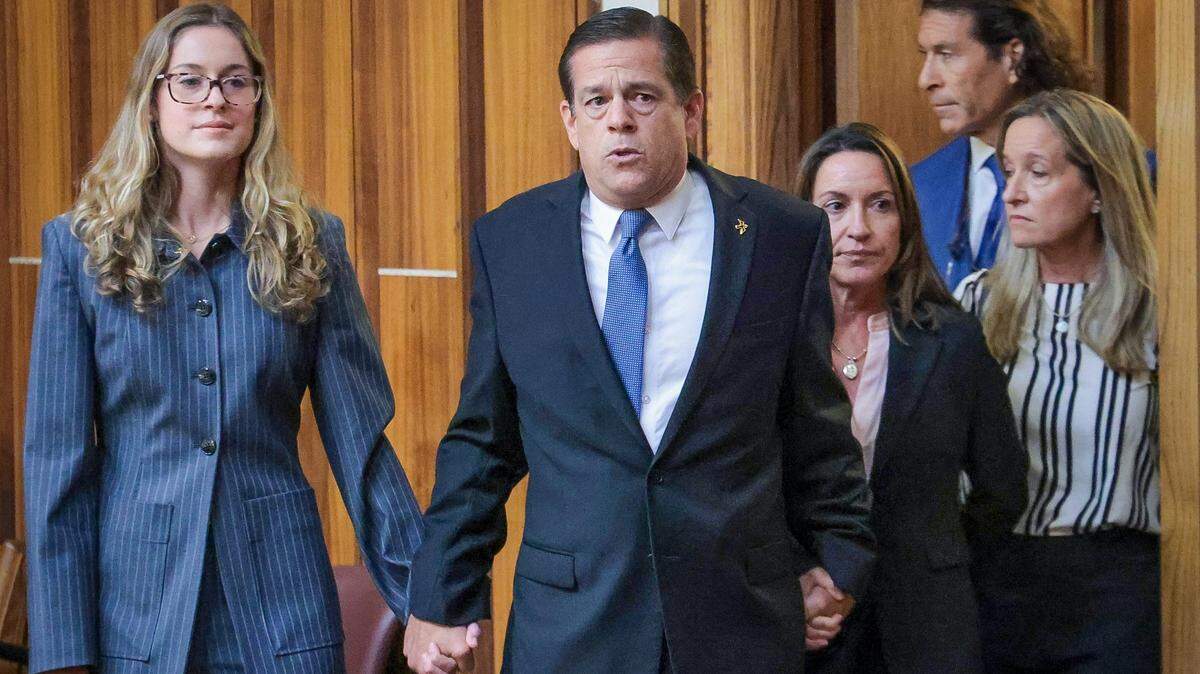
Pino, 54, is on trial on charges of manslaughter and vessel homicide in the Sept. 4, 2022, boat crash. Luciana “Lucy” Fernandez, 17, was killed, and Katerina “Katy” Puig, now 21, another passenger, was left with physical and neurological disabilities. Dozens of Lucy’s loved ones and Pino’s supporters tightly packed both sides of the large courtroom.
.JPG "IMG_lucy_fernandez_found_2_1_J7QAUHGJ_L886386476 (1).JPG")
Alber, who currently works for the Palm Beach Police Department, told jurors he was an FWC patrol officer from 1993 to 2006. He also said he is a boating instructor and GPS forensics training program manager for a national boating safety organization.
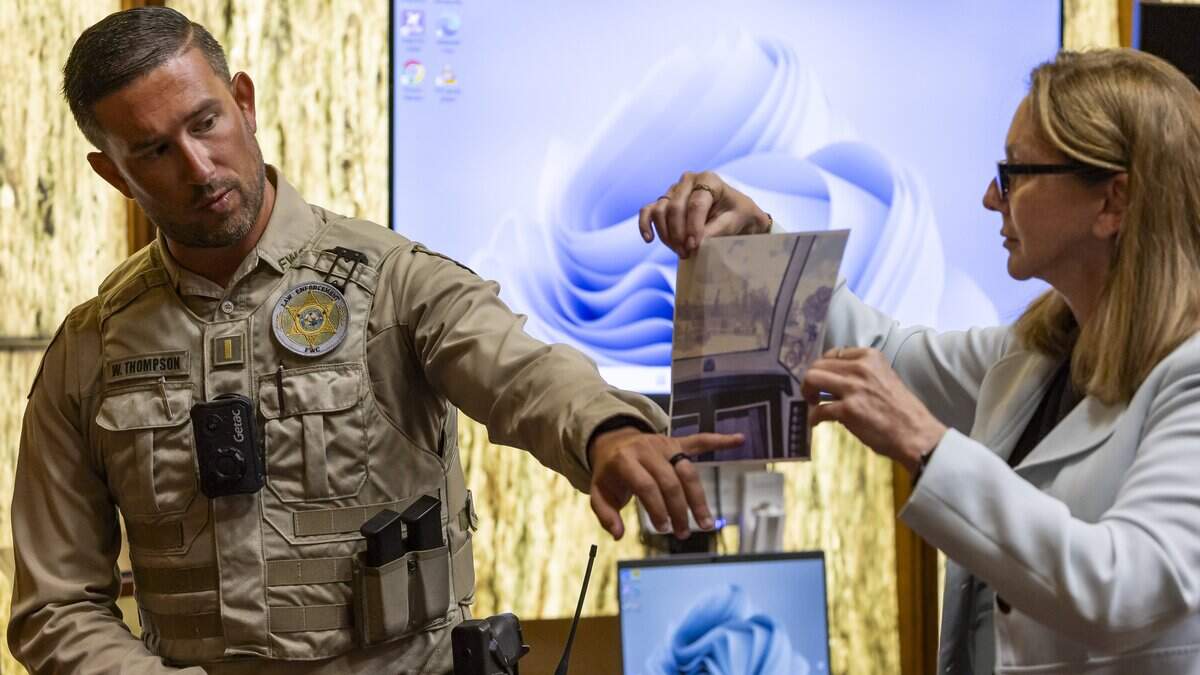
Alber said he participated in an accident reconstruction with lead investigator Lt. William Thompson. He said he used GPS to leave buoys in the two last track points before the crash. He also said he placed cameras on the right side of the vessel and on the channel marker.
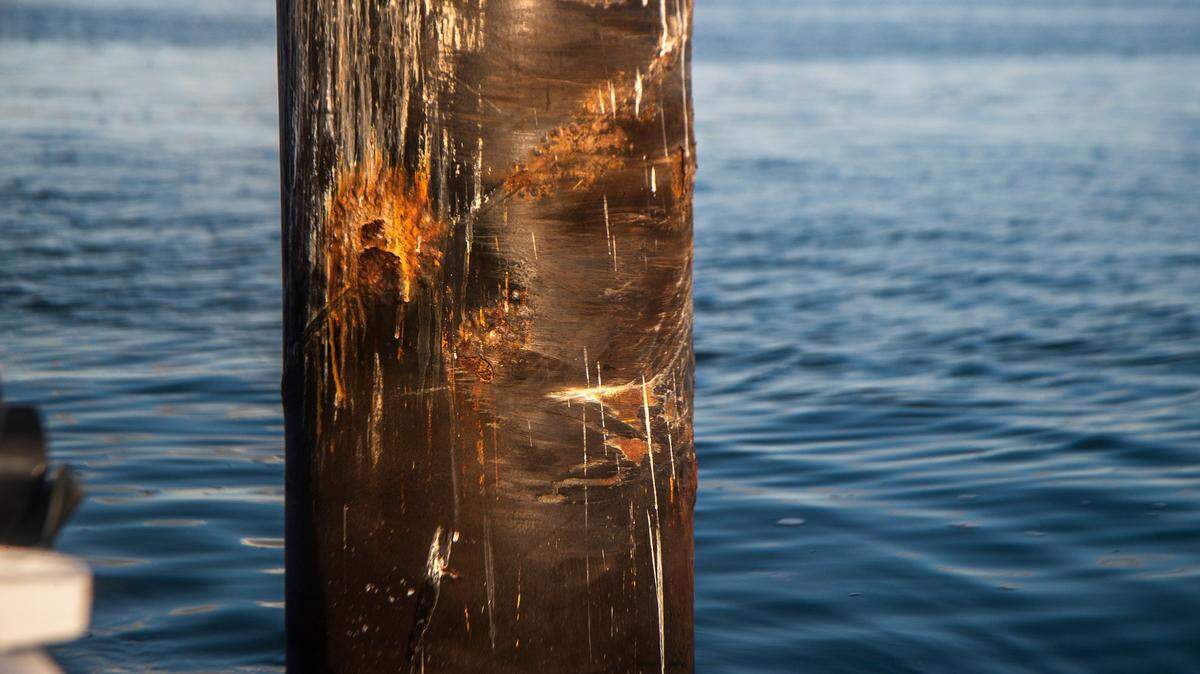
The footage captured by the cameras was played for the jury in court. From several perspectives, the steel marker was in plain view, and the vessel is seen barreling straight toward the marker.
The GPS data, Alber said, also indicates the boat was still moving after the impact. Prosecutor Laura Adams said that data shows Pino did not have a “kill switch,” which shuts the engine off if the operator is not at the helm.
When on the water, boaters are required to follow navigational rules, including if they are traveling through a narrow channel like Cutter Bank, Alber said. Among boaters’ responsibilities are maintaining a proper lookout for hazards; operating at a safe speed; using “all means” to identify the risk of collision; and taking “early and substantial action” to avoid a crash.
When operating a boat, operators are supposed to stay to the right, Alber said. Pino was on the wrong side of the channel when the Robalo rammed into the steel channel marker, sending himself and all 13 of his passengers into the water.
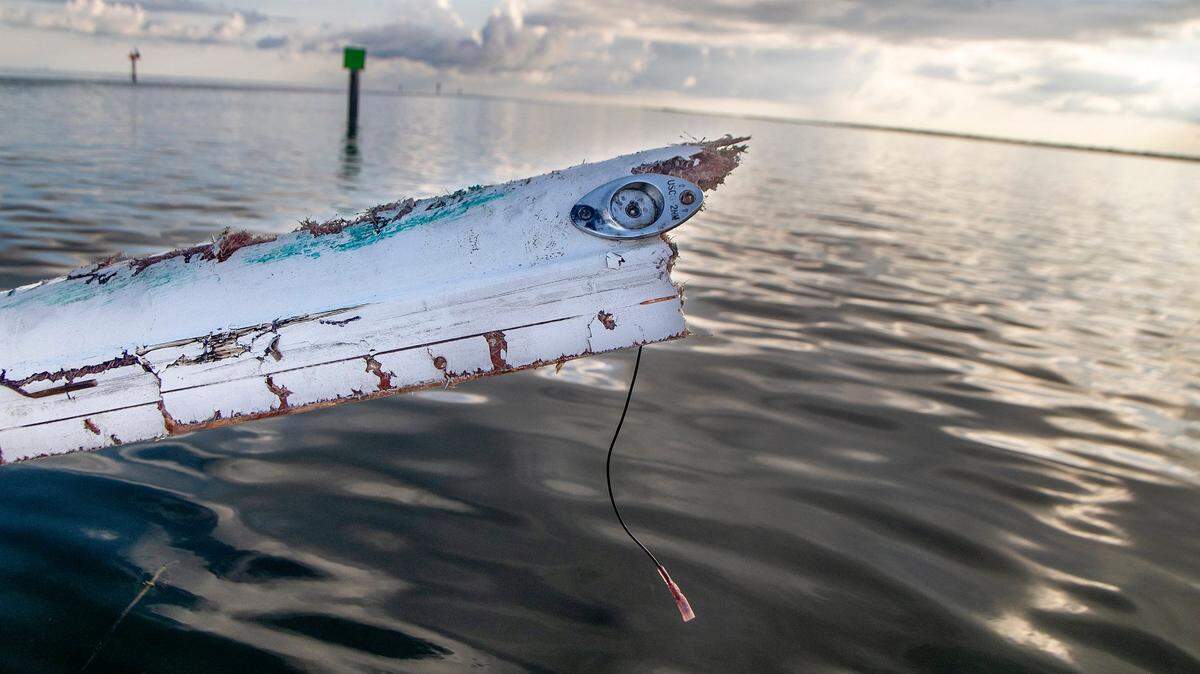
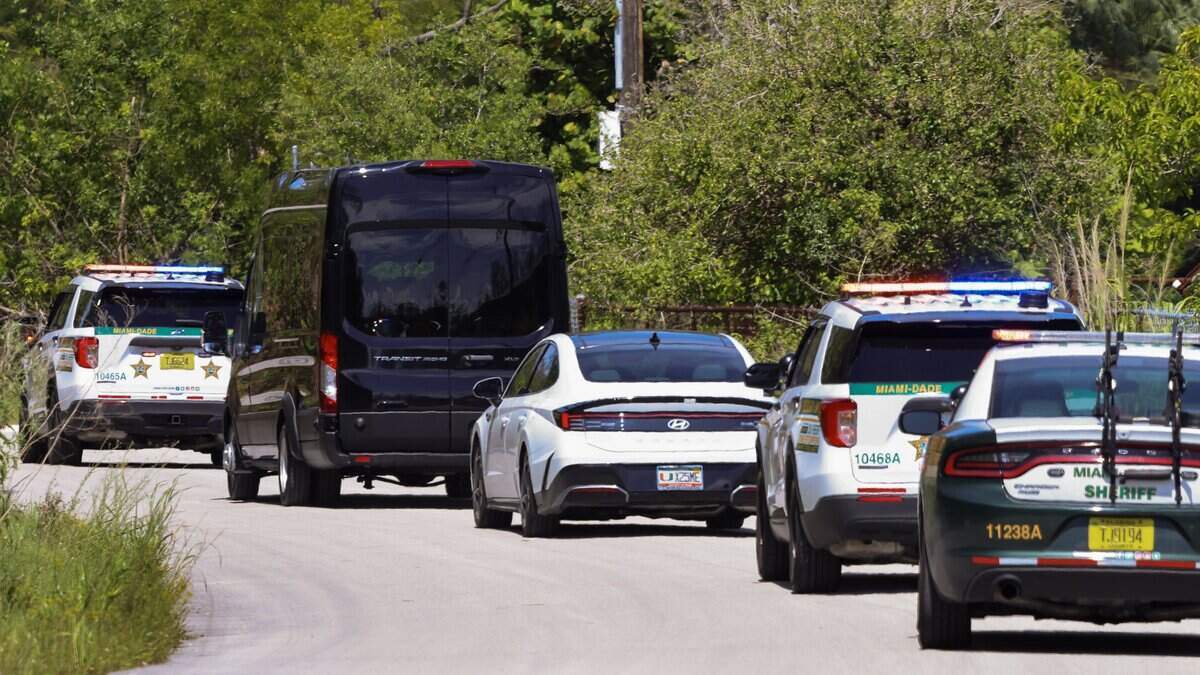
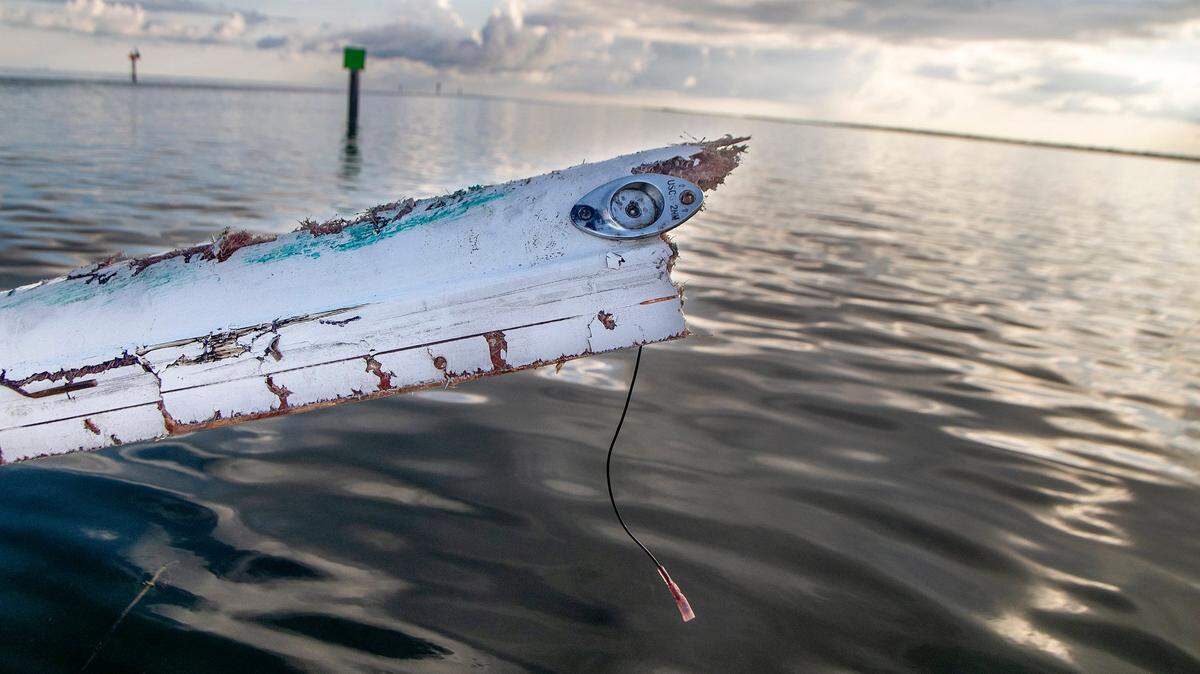
The jury last week observed the badly damaged boat at the FWC storage lot in North Miami. The jurors were also shown drone footage of an accident re-enactment completed by a Miami-Dade Sheriff’s Office crime scene detective.
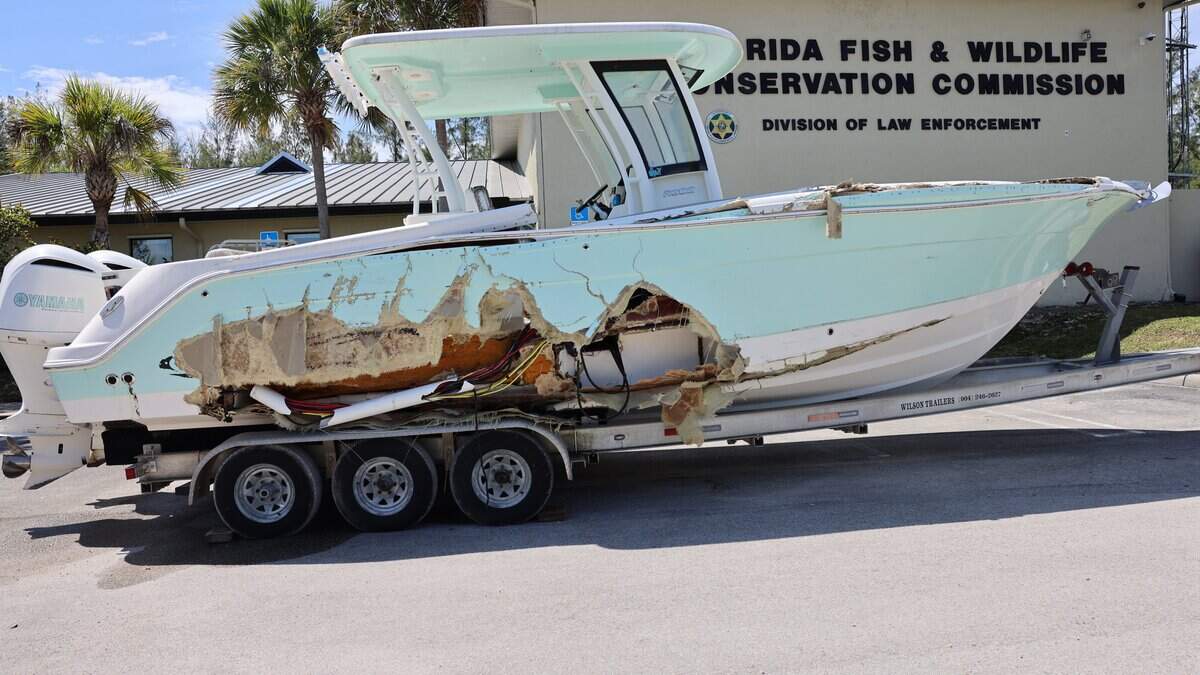
READ MORE: George Pino jurors see wrecked boat in person and view re-enactment video
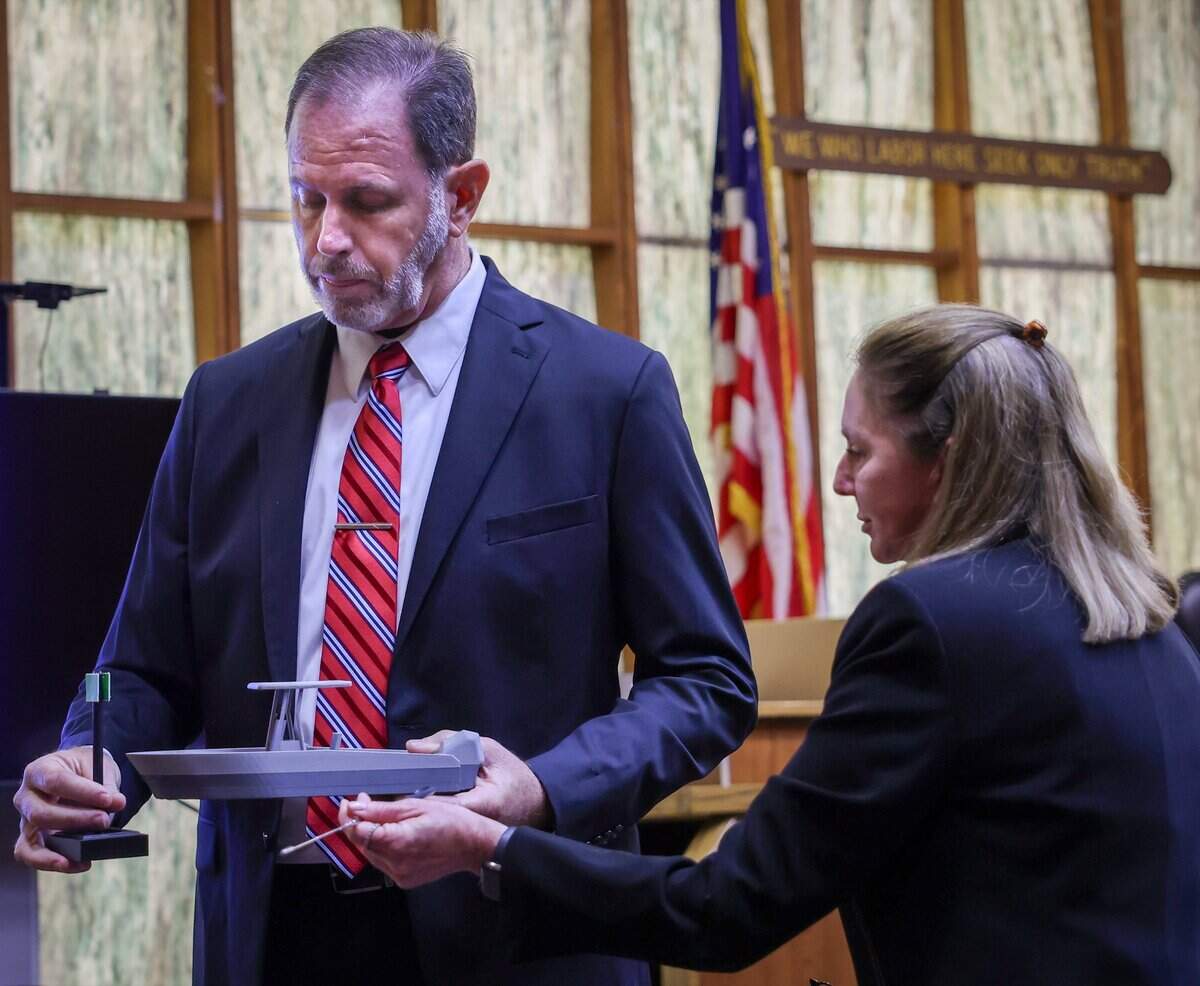
Holding a model of the boat and channel marker in his hands, Alber testified about the impact of the crash, saying the girls who were sitting closest to the impact were more likely to sustain serious injuries. When asked by Adams, Alber said there is no reason why a person operating a Robalo would not be able to see what is in front of them.
Alber also said having 14 people on the vessel “would be a tight squeeze,” although the Robalo is yacht rated — meaning that it has no capacity limits. Alber also said having 10 girls sitting in the front added around 1,000 pounds to the bow and likely affected the boat’s speed.
This story was originally published June 15, 2026 at 1:11 PM with the headline "GPS data is a focus of George Pino boat-crash trial as an expert testifies."




.jpg)
-1.jpg)
-1.jpg)